
Curry Leaves: Your Guide to Benefits, Uses, and Nutrition
What Are Curry Leaves?
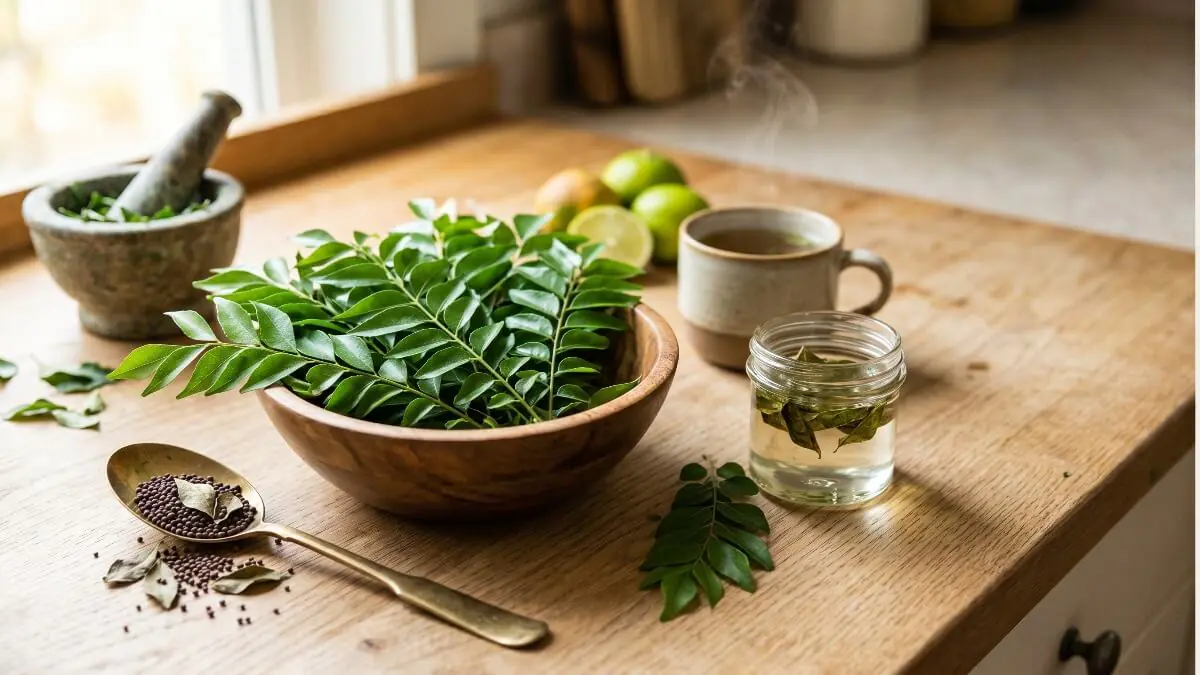
Curry leaves are aromatic herbs widely used to enhance the flavor and aroma of food in the Indian subcontinent. They look somewhat similar to neem leaves but have a completely different smell. Everyone recognizes them for their sweet and pungent fragrance. Cooks often add these leaves to hot oil as a tempering agent at the beginning of the cooking process.
Beyond enhancing flavor, these leaves are rich in many healthy ingredients. People have used them as herbal medicine for ages. Adding them to your daily diet brings numerous benefits to your body. You can easily find these leaves in the market today.
History and Origin of Curry Leaves
These aromatic leaves originally come from India and Sri Lanka. People in the Indian subcontinent have used them since ancient times. The name comes from the Tamil word “kari,” which translates to a spicy sauce or gravy.
Historical documents show that people in this region added these leaves to their food centuries ago. Ayurveda also mentions its medicinal properties. Merchants gradually spread them to other Asian countries. Today, their popularity is growing worldwide.
Why Curry Leaves Are a Staple in South Asian Cuisine
Using these leaves is a common practice in South Asian food. They are essential for adding aroma and deep flavor to local dishes. They bring a unique dimension to lentils, curries, and fried foods. Many traditional dishes are unimaginable without them.
Besides boosting flavor, they also work wonderfully for digestion. They help keep the stomach cool in this region’s hot climate. Mothers have used them in cooking for generations to protect their families’ health. They are not just a spice but a vibrant part of the culture.
Get to Know the Curry Leaf Plant
Learning about the general profile and characteristics of this plant is quite interesting. It does not grow very large but forms a medium-sized bushy tree. You can easily plant it in your backyard or in a pot.
Botanical Profile
The scientific name of this plant is ‘Murraya koenigii’. It belongs to the Rutaceae family of plants. Lemons and oranges are also members of the same family. This explains why the leaves offer a mild, refreshing citrus scent.
The tree generally grows 4 to 6 meters tall. Its trunk is quite strong and dark brown. Small white flowers bloom on this tree during the summer. These flowers later turn into small black berries.
Where Curry Leaves Grow
This tree thrives in tropical and subtropical climates. You will see it in abundance in countries like India, Sri Lanka, Bangladesh, and Thailand. Plenty of sunlight and warm weather are best for this plant’s growth.
Currently, farmers grow this plant commercially in various countries worldwide. Many people in Australia, the United States, and the United Kingdom now plant these trees in their own gardens. It can survive almost anywhere if you take proper care of it.
Fresh vs. Dried Curry Leaves
Fresh leaves hold the maximum aroma and flavor. Nothing compares to leaves plucked straight from the tree just before cooking. The volatile oils present in them bring out the true taste of the food.
Dried leaves, on the other hand, last a long time in storage. You can use dried ones if you lack access to fresh ones. Drying does reduce their fragrance slightly. You will need to use a larger quantity of dried leaves during cooking to achieve the same flavor.
Nutritional Value of Curry Leaves
This herb does more than just enhance taste. It comes loaded with nutrition. It contains many essential elements for the body. Eating these leaves regularly helps fulfill vitamin and mineral deficiencies.
Calories and Macronutrients
The calorie content in this herb is very low. It is an excellent ingredient for those looking to lose weight. It contains small amounts of protein and carbohydrates. The fat content is almost non-existent.
Every 100 grams of leaves contains about 108 calories. They offer a good balance of carbohydrates and protein. You do not have to worry about extra calories when adding this to your daily diet.
Vitamins A, C, E, and B-Complex
The Vitamin A found in them works wonderfully to maintain good eyesight. Vitamin C boosts the body’s immune system and brightens the skin. These leaves contain a lot of Vitamin E, which acts as a powerful antioxidant.
B-complex vitamins help the body produce energy. These vitamins also play a vital role in keeping the nervous system healthy. Eating this herb regularly eliminates fatigue and keeps the body fresh.
Calcium, Iron, and Other Essential Minerals
These leaves provide abundant calcium to strengthen bones and teeth. The iron in them is very beneficial for curing anemia. Women can overcome iron deficiency by eating them regularly.
They also offer phosphorus and magnesium. These minerals play an important role in various bodily functions. Magnesium greatly enhances muscle performance.
Antioxidants and Bioactive Plant Compounds
This herb is a great source of powerful antioxidants. These elements destroy harmful free radicals in the body. They are highly effective at preventing cell damage.
They contain compounds like alkaloids, glycosides, and flavonoids. These compounds protect the body from various chronic diseases. Keeping the body healthy from the inside requires these essential antioxidants.
Dietary Fiber Content
They contain sufficient fiber to keep the digestive process functioning well. Fiber helps eliminate constipation. It plays a massive role in maintaining gut health.
Eating fiber-rich foods regularly makes you feel full. This reduces the tendency to overeat. The fiber in these leaves works great for weight management.
Main Health Benefits of Curry Leaves
The use of this leaf for health protection has been praised since ancient times. Modern science has also acknowledged its many virtues. Including it in your daily meals keeps many health problems at bay.
Packed with Antioxidants
It works excellently to protect the body’s cells from damage. The powerful antioxidants in it flush toxic substances from the body. It is highly effective in reducing oxidative stress.
Regular consumption can help prevent premature aging. It helps keep the skin fresh and wrinkle-free. Health websites like Healthline also mention its antioxidant properties.
Helps Boost Digestion
It works very well for relieving indigestion and gas. Stimulating stomach enzymes helps speed up the digestive process. Chewing this leaf after eating heavy meals reduces stomach discomfort.
It is also quite effective in curing diarrhea and dysentery. Its antibacterial properties destroy harmful germs in the intestine. You can chew a few raw leaves every morning to keep your stomach cool.
May Help Normalize Blood Sugar Levels
It serves as a great natural medicine for diabetic patients. It helps increase the body’s insulin efficiency. Controlling blood glucose levels is one of its strong suits.
The fiber in it slows down the absorption of sugar into the blood. Eating a few leaves on an empty stomach every morning helps keep blood sugar under control. However, you should consult a doctor before adjusting your diabetes medication.
Supports Heart Health
This leaf is highly effective at reducing LDL (bad) cholesterol levels. By preventing fat from building up in the blood vessels, it lowers the risk of a heart attack. It offers an excellent natural way to keep your heart healthy.
Its antioxidant properties also help maintain normal blood pressure. By increasing good cholesterol levels, it improves blood circulation in the body. Using it in daily cooking is very beneficial for the heart.
Promotes Hair and Skin Health
It works like magic to prevent hair loss and reduce premature graying. It also has no equal in removing acne and skin blemishes. Its antibacterial properties protect the skin from infections.
Boiling this leaf in coconut oil and applying the mixture to the hair strengthens the roots. You can use its paste to brighten the skin. It is a very popular ingredient in beauty care.
Strengthens the Immune System
It helps improve the body’s natural defense system. Vitamin C and other nutrients give the body the strength to fight diseases. It keeps common ailments like colds, coughs, and fevers away.
It works well against bacterial and fungal infections. Drinking its juice regularly makes the body stronger from the inside. Eating it during seasonal changes reduces illnesses.
Curry Leaves and Digestive Health
This herb is a trusted remedy for stomach problems. It increases the secretion of digestive juices, which helps food digest faster. It works very quickly to relieve nausea.
Eating it after consuming overly oily and spicy foods brings comfort. It also helps increase liver efficiency. Its role in flushing harmful toxins out of the body is immense.
Curry Leaves in Hair and Skin Care
It is a very familiar name among beauty-conscious people. It removes hair roughness and makes it silky and shiny. You can apply the paste to the scalp to eliminate dandruff.
It is great for removing wrinkles and retaining youthfulness. Its juice works very well to remove sunburn spots. Regular use makes the skin soft and glowing.
Curry Leaves in Ayurveda and Traditional Medicine
Ancient Ayurvedic texts refer to this leaf as ‘Krishnanimba’. Those texts describe its numerous healing powers in detail. Healers have used it to make various medicines for ages.
Applying its paste on cuts and burns helps them dry quickly. Applying its juice reduces the burning sensation from poisonous insect bites. It is an extremely safe and effective herb.
What Do Curry Leaves Taste Like?
Expressing its taste in words is a bit difficult. It has a completely different, unique aroma.
Taste and Aroma
Its taste is somewhat citrusy or lemony, fresh, and slightly bitter. In terms of aroma, it is very strong and captivating. When you drop it in hot oil, its real fragrance spreads everywhere.
Adding it to food creates a sweet and pungent smell. After cooking, its bitter taste disappears, and it adds excellent flavor.
Curry Leaves vs. Bay Leaves
Many people mistakenly think these two leaves are the same. Bay leaves are larger, and cooks usually use them in their dried form. This leaf is small and mostly used fresh.
Bay leaves have a mildly sweet, cinnamon-like smell. The aroma of this leaf is much fresher and lemony. Their uses and effects in cooking are completely different.
Common Culinary Combinations
It pairs best with mustard seeds, cumin, and dried red chilies. This combination is very popular for tempering lentils. It brings excellent flavor to any dish made with coconut milk.
Its chemistry with ginger and garlic is excellent. Using it in fish or meat marinades removes the fishy smell. Combined with lemon juice, it can create a wonderfully refreshing drink.
How to Use Curry Leaves in Cooking
There are many ways to add this to your food. Using it the right way ensures you get its maximum benefits.
As Tempering (Tadka)
Frying the leaves in hot oil or ghee for a few seconds is called tempering. This process releases the volatile oils from the leaves. Cooks then pour this over lentils, chutneys, or curries.
The leaves become crispy during tempering and spread a great aroma. Burning them too much can bring a bitter taste. You should not fry them for more than a few seconds.
In Curries and Lentil Dishes
This leaf multiplies the taste of any ordinary lentil dish. Adding it while simmering a curry spreads the fragrance throughout the whole meal. It pairs wonderfully well with fish curries.
Tearing a few fresh leaves in the middle of cooking improves the flavor. This keeps the nutrition intact and makes the smell stronger. You can safely use it in vegetable dishes too.
In Rice Recipes
It is essential in dishes like lemon rice or tomato rice. Frying this leaf in ghee while cooking pilaf or khichdi creates a great aroma. Sprinkling a few fried leaves on top while serving rice looks beautiful.
Many South Indian rice dishes remain incomplete without this leaf. It elevates the simple taste of rice to a royal level.
In Chutneys and Spice Powders
Adding a few raw leaves to cilantro or mint chutney changes the taste entirely. You can crush dried leaves to make various spice mixtures. You can store these spice powders at home for a long time.
Chutneys served with idlis or dosas must contain this leaf. Blending it with roasted lentils and dried chilies makes a great spice.
Popular Recipes Using Curry Leaves
You can easily make wonderful dishes at home using this leaf. Here are a few popular meal ideas.
Curry Leaf Chutney
You make this chutney with fresh leaves, grated coconut, green chilies, and tamarind. Grinding all the ingredients together and adding a little salt gets the chutney ready. It tastes great with roti or paratha for breakfast.
It is very good for digestion and increases appetite. You can keep this chutney in the fridge for a few days.
Lemon Rice
You need to cook rice and let it cool. Next, heat oil in a pan and temper mustard seeds, peanuts, and this leaf. Mixing the rice and lemon juice creates delicious lemon rice.
It serves as an excellent lunch or tiffin for kids. It is easy to make and tastes delicious.
South Indian Sambar
Sambar is a traditional curry made of vegetables and lentils. Cooks temper it with plenty of these leaves at the end of the cooking process. The smell of this leaf is the main attraction of sambar.
People serve this sambar with dosa or idli. It is a highly nutritious and healthy meal.
Coconut Curry
This leaf perfectly complements any meat or vegetable made with coconut milk. First, fry this leaf and onions in oil. Then, cook the mixture with coconut milk and spices.
The taste of this dish is mildly sweet and fragrant. It tastes amazing when eaten with white rice.
Fresh Curry Leaves vs. Dried Curry Leaves
The nutritional value and taste of fresh leaves always surpass those of dried leaves. Fresh leaves contain more oil, resulting in a stronger aroma. You can easily find fresh leaves in the market, making them a better choice.
Dried leaves work well for those who cannot find fresh ones. Drying reduces the water content, making storage easier. You simply need to add a bit more of the dried version when cooking than the fresh version.
Curry Leaves vs. Cilantro: Key Differences
The use and taste of these two leaves differ completely. People usually use cilantro at the end of cooking as a garnish. Its smell is very light and cooling.
On the other hand, cooks add the featured leaf as a tempering in hot oil at the beginning of cooking. Its smell is strong and pungent. One enhances a dish’s freshness, while the other creates a deep aroma.
How to Grow Curry Leaves at Home
You can easily plant this tree in a pot on your balcony or roof. The joy of cooking with fresh leaves from your own tree is unmatched.
Choosing the Right Climate
This tree loves plenty of sunlight. You should place the tree in a spot where it gets full sun all day. Severe cold or snow can kill this tree.
Moving the tree indoors or to a warm place during winter is a good idea. Warm and humid weather helps the tree grow faster.
Soil, Watering, and Sunlight
This tree requires soil with good drainage. Mixing organic fertilizer into the soil helps the tree grow very well. You need to water the tree regularly.
You must ensure that water does not pool in the pot. Excess water can rot the tree’s roots. Getting enough sunlight turns the leaves dark green.
Harvesting and Plant Care Tips
You have to trim the branches regularly once the tree grows a bit. This makes the tree bushy rather than tall and yields more leaves. You should pluck the entire branch when harvesting leaves.
Spraying neem oil occasionally prevents insects from attacking the tree. Adding a little organic fertilizer every two months keeps the tree healthy.
Potential Side Effects and Precautions
This is a natural ingredient and generally safe for everyone. Certain situations do require some caution.
Allergic Reactions
Very few people might have an allergy to this leaf. You should stop eating it if you develop a rash or itching on your skin after trying it for the first time. Visit a doctor quickly if you experience breathing difficulties.
Testing a small amount before starting any new food is always a good practice.
Safe Daily Consumption
Too much of anything is never good. Eating 10 to 15 raw leaves a day is completely safe. There is no specific limit for using it in cooking.
Eating too many leaves on an empty stomach might upset your stomach. Eating them in moderation is the smartest approach.
Who Should Exercise Caution?
Pregnant and breastfeeding mothers should consult a doctor before eating this in large amounts. People who regularly take diabetes medication might see their blood sugar levels drop too low.
Exercising caution before taking natural treatments for any chronic disease is crucial.
How to Choose Fresh Curry Leaves
Buying good-quality leaves from the market is extremely important. Selecting the right leaves ensures your cooking tastes better.
Signs of Freshness
The leaves should be dark green and shiny. Holding them in your hand will bring a fresh and strong aroma to your nose. The leaves will look firm and vibrant.
Buying Tips
Buying leaves attached to the entire branch works best. This keeps the leaves fresh for longer. You should avoid leaves with spots or insect bites.
Avoiding Wilted Leaves
Do not buy leaves that have turned yellow or dried up. Wilted leaves carry no aroma. Cooking with them can ruin the taste of your food.
Proper Tips for Storing Curry Leaves
Storing the leaves properly is important if you buy them in bulk. Keeping them in the right way allows you to use them for a long time.
Refrigeration Method
First, wash the leaves thoroughly and drain them. Next, wipe them with a tissue paper to make them completely dry. Line an airtight box with tissue paper, place the leaves inside, and keep it in the normal chamber of the fridge.
The leaves stay fresh for about two to three weeks using this method. You must ensure no water accumulates in the box.
Freezing for Long-Term Storage
You can wash, dry, and pack the leaves in a ziplock bag to store in the deep freezer. Leaves stay good for several months this way. Take them out of the fridge right before use and put them directly into hot oil.
Even if the color of the frozen leaves turns a little dark, the taste and smell remain intact.
Drying Curry Leaves at Home
Clean the leaves and spread them on a cotton cloth to dry under the fan inside the house. Drying them directly in the sun destroys the leaves’ color and nutritional value.
Once they dry and become crispy, store them in a glass jar. You can use these dried leaves in cooking for many months.
Frequently Asked Questions About Curry Leaves
Can curry leaves be eaten raw?
Yes, you can eat them completely raw. Chewing a few raw leaves on an empty stomach in the morning boosts digestion and helps keep blood sugar under control.
Are curry leaves beneficial for hair growth?
Absolutely. Boiling this leaf in coconut oil and applying the mixture to the head strengthens the hair roots. It reduces hair loss and helps new hair grow.
Can I eat curry leaves every day?
Yes, eating this leaf in moderate amounts every day is very good for your health. It helps meet your daily need for vitamins and antioxidants.
Curry Leaves in Global Cuisine
It is becoming popular in kitchens across many countries, not just in South Asia. Its unique taste is attracting chefs worldwide.
South Indian Cuisine
South Indian food is unimaginable without this leaf. It is essential in dishes such as idli, dosa, sambar, and rasam. It forms one of the main foundations of their cooking.
Sri Lankan and Southeast Asian Food
It serves as a key ingredient in Sri Lankan curry powder. You will also see its use in some traditional foods of Thailand and Malaysia. They love using it when cooking seafood.
Modern International Recipes
Many famous restaurants in the Western world currently use it. You can see its innovative use in various fusion dishes, cocktails, and salad dressings. Chefs are experimenting heavily with its strong aroma.
Final Thoughts on Curry Leaves
These small green leaves serve as a rich source of nutrition and flavor. Adding it to your daily meals requires very little effort.
Key Takeaways
It is not just an ordinary spice, but a natural medicine for many diseases. It contributes to everything from digestion to heart health.
Why Curry Leaves Are a Nutrient-Dense Culinary Herb
It contains essential vitamins, minerals, and plenty of antioxidants. Very few foods offer so many nutrients all at once. It comes as a blessing for any health-conscious person.
Easy Ways to Add Curry Leaves to Your Daily Diet and Cooking
You can drop a few leaves into your morning tea. You can use them as tempering while cooking lentils or vegetables. You can even blend fresh leaves and drink the juice with them. Include it in your diet today for a healthy and beautiful life.