
Black Salt (Kala Namak): Your Complete Guide to Benefits, Uses, and Nutrition
What is Black Salt (Kala Namak)?
Black salt is a highly popular ingredient in South Asia. Locals mostly know it as ‘kala namak’. It is essentially a type of volcanic rock salt. It originates from the foothills of the Himalayas and neighboring mines. A unique feature of this salt is its distinct aroma and flavor. It does not just taste salty like regular table salt. It carries a mild sulfur scent. Many people compare this scent to hard-boiled eggs.
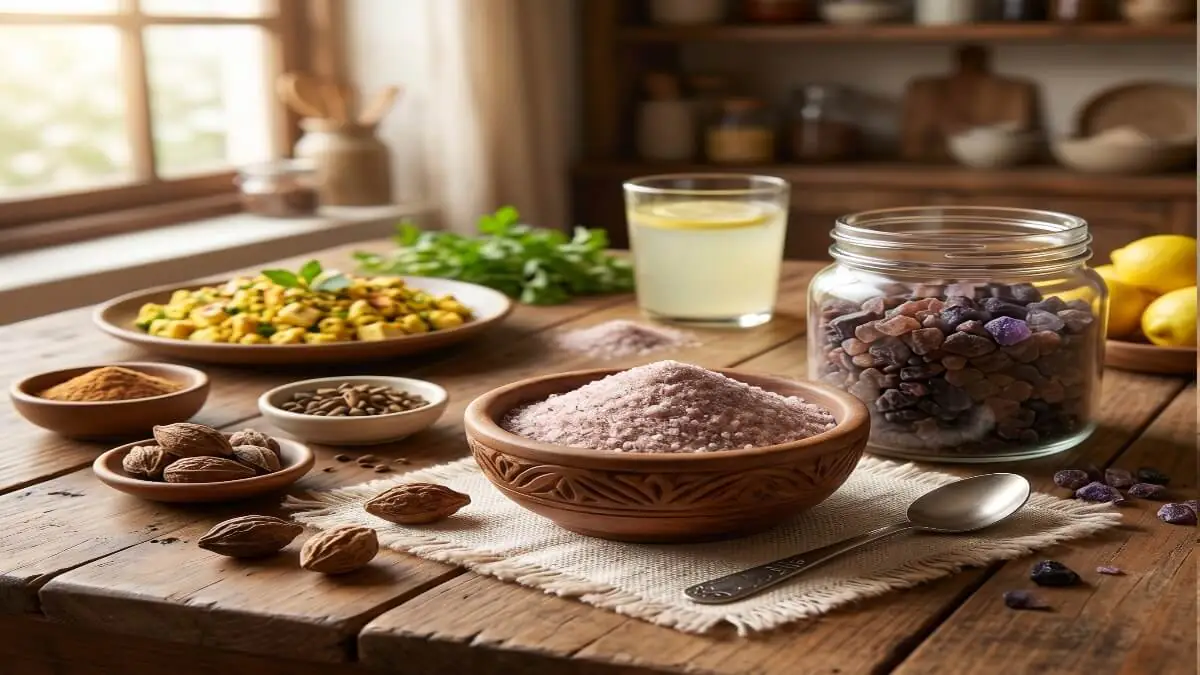
Despite its name, the actual color is not entirely black. Solid rock chunks appear dark purple or brownish-pink. However, the salt turns light pink or gray once you grind it. People in the Indian subcontinent have used it as a spice for centuries. Today, health-conscious individuals highly value it. It has also become an essential ingredient in vegan and vegetarian kitchens.
The History and Origin of Black Salt
The use of black salt dates back thousands of years. Ancient Indian Ayurvedic texts frequently mention it. The great sage Charaka described the medicinal properties of kala namak in his medical treatises. In ancient times, miners collected this salt from areas surrounding the Himalayas. Makers produced this salt by roasting naturally occurring rock salt using a special method. Back then, people did not just use it to enhance flavor. They considered it a highly important medicine.
Historians suggest that commercial use began during the era of ancient kings. Chefs in royal kitchens used this salt to elevate the taste of their dishes. It eventually reached the kitchens of everyday people. It has been a popular and simple remedy for digestive issues since antiquity. The production method has not changed much despite the passage of centuries.
Why Black Salt is Popular in South Asian Cuisine
South Asian countries place great emphasis on the taste and aroma of food. The main reason for kala namak’s popularity here is its intense ‘umami’ flavor. It instantly makes any ordinary dish special. The weather in the Indian subcontinent remains hot for most of the year. People sweat heavily during the summer. The body loses essential salts through sweat. Black salt plays a very effective role in replenishing this loss.
You will see its heaviest use in street food. It is a mandatory ingredient in spice mixes for snacks such as chaat, fuchka, and pani puri. It is almost impossible to get the authentic taste of these foods without it. Furthermore, people traditionally mix it into cold beverages and fruit juices. It not only enhances the taste but also helps to digest the food. This dual benefit makes it an indispensable part of every kitchen.
How Black Salt is Made
Traditional Production Methods
The ancient method of making black salt is quite fascinating and time-consuming. First, workers collect unrefined rock salt from the Himalayas. They place this salt inside large clay pots. ..They mix charcoal into these pots. They also add herbs like triphala, babul bark, and other natural ingredients. Next, they place the pot inside a special furnace. They roast it at extremely high temperatures for about 24 hours.
The chemical structure inside the salt begins to change due to this lengthy process. The high heat allows the herbal ingredients to merge with the salt. The sodium sulfate inside the salt breaks down to create hydrogen sulfide. Workers then remove the salt from the furnace and let it cool. It turns into dark, rock-like lumps after cooling. This is exactly how regular rock salt transforms into aromatic kala namak.
Mineral Content of Black Salt
This salt is not just sodium chloride. It contains many different types of minerals. The primary ingredient is sodium chloride. This gives the salt its salty taste. However, its true specialty lies in its trace minerals. It contains iron, magnesium, potassium, and calcium. The presence of iron sulfide gives it a dark purple color.
Additionally, it contains various sulfur compounds. These compounds are the primary reason for its health benefits. Modern refined salts lack these minerals. Factories chemically remove them during processing. But kala namak retains its nutritional value because it is produced naturally. These minerals benefit our bodies in multiple ways.
What Gives Black Salt Its Distinct Aroma?
Many people feel surprised when they smell black salt for the first time. Its odor strongly resembles boiled eggs. The science behind this strange smell is quite simple. The high heat during production generates hydrogen sulfide. This chemical compound creates the egg-like odor. The smell might feel overpowering to first-time users.
However, the smell becomes much milder once you mix it into food. It then brings a wonderful, deep flavor to the dish. This aroma helps replace the essence of meat or eggs in vegetarian cooking. This is exactly why followers of a plant-based diet love it so much.
Types of Black Salt
Himalayan Black Salt
This is the most familiar and popular type of kala namak. Producers make it directly from rock salt collected from the Himalayan foothills. Its color usually ranges from light pink to dark gray. Its taste is quite intense, and the smell is very distinct. Vendors worldwide sell this as the authentic kala namak. Experts consider its quality to be the best.
Traditional Indian Kala Namak
Miners usually find traditional Indian black salt in the salt lakes of Rajasthan and Gujarat. The production method for this salt can vary slightly. Sometimes makers include a higher amount of herbal ingredients. As a result, its color becomes slightly darker. Ayurvedic practitioners prefer this type of salt for making medicines. They claim its medicinal properties are much more effective.
Powdered vs. Granular Black Salt
You can find black salt in the market in two forms. One is a very fine powder. The other comes in small granular chunks or rock forms. Powdered salt is more convenient for daily use. It easily mixes into any food.
On the other hand, granular salt can retain its aroma longer. Many people prefer to buy the rocks and grind them at home. This ensures they get the absolutely authentic taste.
Nutritional Value of Black Salt
Sodium Content
Sodium is the main component of any salt. However, black salt contains slightly less sodium than regular table salt. Regular salt contains about 99% sodium chloride. In contrast, kala namak contains between 96% and 98%. Other mineral elements make up the remaining portion. This can be a good alternative for people who want to reduce their sodium intake.
Trace Minerals and Elements
The real nutritional value of this salt hides in its trace minerals. It contains adequate amounts of iron. This iron can help prevent anemia. Furthermore, it contains potassium. Potassium is vital for maintaining proper muscle function. The presence of magnesium also boosts its nutritional profile. These tiny elements manage many crucial bodily functions.
Sulfur Compounds and Their Role
The sulfur compounds in kala namak do more than just create a smell. They are highly beneficial for health. Sulfur is excellent for our skin. It helps smooth out the digestion process. According to Ayurveda, sulfur plays an effective role in reducing inflammation in the body. It also helps expel gas from the stomach.
Comparing Black Salt with Regular Table Salt
Factories heavily refine table salt. This process destroys the natural minerals present in it. Manufacturers add chemical agents to table salt to prevent clumping. Conversely, makers produce kala namak using natural methods. It contains no artificial anti-caking agents. Regular salt only tastes salty. But black salt offers a much richer and more diverse flavor profile.
Top Health Benefits of Black Salt
May Enhance Digestion
The most well-known benefit of black salt is its ability to aid digestion. It helps the stomach produce digestive juices or enzymes. These enzymes are crucial for digesting food quickly. Consuming a little kala namak after a heavy meal reduces stomach discomfort. People have used it as a natural remedy for digestive issues since ancient times.
Contains Trace Minerals
Our bodies require various minerals to function smoothly. Black salt contains important minerals like iron, magnesium, and potassium. These help boost the body’s immune system. These minerals also work to eliminate muscle weakness. Consuming this salt regularly in moderate amounts can fulfill many mineral deficiencies.
Can Help Reduce Bloating
Many people experience stomach swelling after eating. Doctors call this bloating. Kala namak can help expel excess gas from the stomach. It relaxes the intestinal muscles. As a result, gas leaves the body easily. Drinking lemon water mixed with a little black salt provides quick relief.
Maintains Electrolyte Balance
The body loses a lot of water and salt during summer or after intense exercise. This disrupts the body’s electrolyte balance. People feel tired and weak. Drinking water mixed with a little black salt quickly restores this balance. It works wonderfully to reduce muscle cramps. It can act as a fantastic natural sports drink.
Popular in Traditional Health Practices
Kala namak is a very important ingredient in Ayurvedic medicine. Practitioners use it to make many medicinal powders. They believe it helps reduce the ‘Pitta’ dosha. Ayurveda also recommends it for reducing heartburn or acidity. Ancient healers noted that it is excellent for skin and hair health.
Enhances Flavor Without Complex Spices
Adding too many spices can sometimes make food unhealthy. But adding a pinch of black salt makes food delicious even with fewer spices. It has its own deep flavor. Therefore, you do not need to add any artificial flavors or enhancers to the food. It is a great way to maintain a healthy diet.
Black Salt and Digestion: Traditional Uses Explained
Using black salt for digestive issues is nothing new in the Indian subcontinent. Elders usually advise eating a pinch of kala namak when someone has indigestion. It can stimulate the liver. The liver produces bile properly when it functions well. This bile is absolutely essential for digesting fatty foods.
Many people eat black salt mixed with carom seeds (ajwain). This mixture is a proven home remedy for any stomach upset. It regulates the acid levels inside the stomach. It prevents the body from producing excess acid. Therefore, it is a very comforting solution for acid reflux or other gastric problems. The body can absorb nutrients properly when food is digested well.
Why Kala Namak is Popular in Ayurvedic Medicine
According to Ayurvedic philosophy, the human body relies on three doshas. These are Vata, Pitta, and Kapha. Ayurveda considers black salt a cooling spice. It primarily calms the ‘Vata’ and ‘Kapha’ doshas. This means it can resolve issues related to wind (gas) and phlegm. Ayurvedic doctors have labeled it the best type of salt.
Texts say it is good for the eyes. Modern science has not yet provided much proof to support this specific claim. However, ancient texts clearly mention it. Ayurveda mixes kala namak into many medicines designed to clear the stomach. It is very helpful in relieving constipation. It can flush harmful toxins out of the body.
The Unique Sulfur Compounds Behind Black Salt’s Flavor
The presence of sulfur in salt is uncommon. But this is the main characteristic of black salt. The reaction between the salt and herbal ingredients during heating produces hydrogen sulfide gas. This gas gets trapped inside the salt. The gas is released when you mix the salt into food.
This smell might seem weird to many. But this aroma is highly valuable in culinary science. It creates a flavor profile in food that closely mimics meat or eggs. ..It is entirely different from regular salt solely because of these sulfur compounds. It not only provides taste, but it also serves as an aromatic ingredient.
What Does Black Salt Taste Like?
Its Taste and Smell
Describing its taste is a bit difficult. It is salty, but it carries a mild sourness. It leaves a lingering taste on the tongue. Its smell is intense and slightly pungent. The aroma spreads more widely when the food is hot. However, the smell subsides significantly once the food cools down. Overall, it brings an earthy, deep fragrance to the dish.
Why It Tastes Like Egg
The biggest feature of its flavor is the egg-like taste. This taste comes primarily from the sulfur compounds. Egg yolks naturally contain sulfur. Therefore, the smell of boiled eggs and black salt is nearly identical. This salt is a great discovery for people who cannot or do not eat eggs. It provides the sensation of eggs without compromising the food’s flavor.
Its Use in Vegan and Vegetarian Cooking
Vegan and strictly vegetarian diets are growing in popularity worldwide. Vegans do not eat any animal products. They also avoid eggs. But many recipes heavily rely on that egg flavor. Vegan chefs consider black salt a magical ingredient. They use this salt in dishes made of tofu or chickpea flour. As a result, the food tastes exactly like real eggs. It has brought a revolution to vegan culinary arts.
How to Use Black Salt in Cooking
In Chaat and Street Food
This salt is the soul of Indian street food. Kala namak is the core ingredient for making chaat masala. Vendors sprinkle it over fuchka, bhel puri, or dahi puri. It perfectly balances the food’s sour and sweet flavors. Do not forget to add a pinch of black salt when making aloo chaat or chickpea salad at home. It will bring that authentic street food flavor right to your kitchen.
In Fruit Salads and Snacks
The mixture of salty flavors with sweet fruits is quite delightful. Sprinkle a little black salt over guava, apples, watermelon, or pineapple. The natural sweetness of the fruits will stand out even more. It also neutralizes the fruits’ acidity. You can also sprinkle it over roasted nuts or makhana (fox nuts). It makes afternoon snacks much more appetizing.
In Chutneys and Raitas
You can use black salt in any type of chutney. It pairs exceptionally well with coriander, mint, or tamarind chutney. It multiplies the taste of the chutney. Similarly, use it instead of regular salt when making yogurt raita. It adds a wonderful smoky flavor to cucumber or onion raita. It makes the raita much more refreshing.
As a Vegan Egg Substitute
Black salt is essential if you want to make a vegan omelet or scramble. Blend soybeans or chickpeas and mix a little kala namak into the batter. You will not even realize the difference after cooking. Bakers sometimes use flaxseeds as an egg substitute in baking. Adding a little black salt there completely removes the egginess. It is a trusted solution for vegans.
Popular Recipes Using Black Salt
Indian Fruit Chaat
Ingredients: Chopped apples, bananas, guavas, pineapples, and pomegranates.
Instructions: Place all the fruits in a large bowl. Add half a teaspoon of roasted cumin powder. Then sprinkle half a teaspoon of kala namak and a little chaat masala. Squeeze some lemon juice over it. Mix everything well. Your healthy and tasty fruit chaat is ready. This is a great snack for any time of the day.
Masala Lemonade
Ingredients: Juice of 1 large lemon, 2 glasses of water, sugar to taste, half a teaspoon of black salt, and a few mint leaves.
Instructions: Dissolve the sugar thoroughly in the water. Next, add the lemon juice and black salt. Crush the mint leaves slightly and add them to the glasses. You can add ice cubes if you want. There is no better drink for cooling the body on a hot day. It works very quickly to restore energy.
Cucumber Raita
Ingredients: 1 cup yogurt, 1 medium cucumber (grated), chopped green chilies, chopped coriander leaves, 1/4 teaspoon black salt.
Instructions: Whisk the yogurt thoroughly until smooth. Squeeze the excess water out of the grated cucumber and discard it. Now mix the cucumber, chilies, coriander leaves, and kala namak into the yogurt. Mix well and chill in the fridge. This is the best side dish to serve with biryani or rice pilaf.
Vegan Tofu Scramble
Ingredients: 200g firm tofu, a pinch of turmeric powder, half a teaspoon of black salt, chopped onions, and cooking oil.
Instructions: Heat oil in a pan and lightly fry the onions. Crumble the tofu with your hands and add it to the pan. Now add the turmeric powder and kala namak. Stir over medium heat for 5 to 7 minutes. The turmeric will give the tofu an egg-like color. The black salt will provide the egg aroma. This pairs perfectly with bread for breakfast.
Black Salt vs. Regular Salt: Key Differences
There are many differences between these two salts.
| Feature | Black Salt (Kala Namak) | Regular Table Salt |
| Source | Volcanic rock / Himalayan foothills | Sea water or salt mines |
| Processing | Natural, roasted with herbs | Highly chemically refined |
| Minerals | High in trace minerals (Iron, Magnesium) | Stripped of natural minerals |
| Flavor Profile | Umami, savory, egg-like (sulfur) | Strictly salty |
| Color | Dark purple solid, pinkish-gray powder | Bright white |
Regular salt comes from factories and undergoes heavy processing. This processing strips away all natural minerals. Regular salt contains a very high amount of sodium. It looks pure white. Manufacturers often add iodine to regular salt.
Conversely, nature and traditional roasting create black salt. Its color is dark, and processing is minimal. It contains slightly less sodium than regular salt. However, it retains natural iron, sulfur, and potassium. From a health perspective, many experts consider black salt to be more natural.
Black Salt vs. Himalayan Pink Salt: Which One to Choose?
Many people confuse these two salts. Both salts come from the Himalayan region. But their uses and tastes are entirely different. Pink salt is pure mineral salt. It looks pink, and its taste is clean, almost like regular salt. You can use it as a direct substitute for table salt in any recipe. It is very suitable for daily cooking.
On the other hand, black salt is a processed or fire-roasted salt. Its smell is very strong. You cannot use it to cook regular curries or rice. Cooks primarily use it as a spice or flavoring agent. Choose pink salt for everyday cooking. Use black salt for special flavors in chaats, salads, or snacks. Both can have a distinct place in your kitchen.
Potential Side Effects and Precautions
Sodium Intake Considerations
Although kala namak has slightly less sodium, it is still salt. Consuming excess sodium is harmful to anyone. According to the World Health Organization, you should not eat more than 5 grams of salt a day. This calculation includes all the salt you eat throughout the day. You cannot eat black salt endlessly just because it is healthy. Keeping the quantity in check is crucial.
Risks of Excessive Consumption
Eating too much black salt can increase blood pressure. This raises the risk of heart disease and stroke. Furthermore, excess sulfur can cause stomach issues. Some people might experience indigestion or diarrhea if they eat too much black salt. It can also put pressure on the kidneys. Therefore, using it in moderation like a medicine is the smartest approach.
Who Should Limit Salt Intake?
People with high blood pressure, or hypertension, should use this salt very carefully. Patients with kidney problems should not consume any salt without consulting a doctor. Pregnant women must also be careful with their salt intake. It is best to consult a dietitian if you follow a special diet. Even healthy items can be harmful if consumed incorrectly.
How to Choose High-Quality Black Salt
Granular vs. Powdered Form
Identifying authentic black salt in the market is very important. Buy whole granular or rock-like salt if you can. This has the lowest chance of being adulterated. It is very easy to bring whole rocks home and grind them in a blender. If you buy powdered salt, make sure to choose a good brand. Loose powdered salt might contain regular salt or added food coloring.
Signs of Pure Black Salt
Pure black salt will not look pitch black. Its color will be dark pink or dark red. Its color will change to light pink or gray when you grind it. The smell of pure salt will be very clear and strong. It will create a warm sensation when you put it in your mouth. Adulterated salt will not offer this intense aroma and taste.
General Buying Tips
Always buy from trusted stores or supermarkets. Read the ingredient list on the packet carefully. Check if makers have added any other chemical components to it. Avoid buying very cheap salt. Good quality Himalayan salt usually costs a bit more. Buying salt with organic or certified packaging is the safest option.
Proper Storage Tips for Black Salt
Best Storage Containers
Choosing the right container is vital to keep the salt fresh. Glass jars are the best for storing black salt. It is best to avoid using plastic containers. The sulfur in the salt can sometimes react with low-quality plastic. The jar’s lid must be very tight and air-tight. The salt’s aroma can vanish if air gets inside.
Preventing Moisture Absorption
Any salt readily absorbs moisture from the air. This causes the salt to clump together. You can place a few grains of raw rice inside the salt jar to prevent this. The rice will absorb the excess moisture. The storage area must be dry and cool. Do not keep the salt jar too close to the stove. Heat and steam ruin the salt.
Preserving Flavor and Aroma
The real magic of kala namak is its smell. Do not leave the jar open unnecessarily if you want to retain it for a long time. Use a dry spoon when taking it out. Inserting a wet spoon ruins the salt’s flavor. Buying a massive amount of salt all at once is not a smart idea. Buy in smaller quantities and enjoy the fresh flavor.
Frequently Asked Questions About Black Salt
Is Black Salt Healthier Than Regular Salt?
Yes, it can be healthier than regular salt when used in moderation. It retains its natural minerals and has a slightly lower sodium content. Regular salt undergoes heavy chemical processing, which black salt avoids. However, it is not a complete replacement for regular salt. Your diet should balance both.
Why Does Black Salt Smell Like Egg?
The primary reason is the presence of hydrogen sulfide. This sulfur gas forms during the manufacturing process due to chemical changes caused by high heat. Egg yolks also contain a lot of sulfur. This is why their smells are so similar. This odor gives black salt its unique identity.
Can I Use Black Salt Every Day?
You can use it every day in moderate amounts. You can add a pinch of black salt to salads, fruits, or beverages daily. However, using it as the main cooking salt is difficult. Its strong smell does not suit all curries. You can add it to your daily diet while keeping your total sodium intake in mind.
Black Salt in Global Cuisine
Its Use in Indian and Pakistani Food
The use of kala namak in Indian and Pakistani culinary arts is extremely deep. It is an inseparable part of their dietary habits. Chefs use this salt in marinating tandoori dishes or kebabs. It multiplies the flavor of the meat. Popular snacks like pani puri, dahi bada, or aloo tokri cannot exist without it. You will also see its extensive use in festival cooking.
Growing Popularity in Vegan Cooking
Veganism or strict vegetarian diets have become very popular in the Western world over the past decade. Kala namak has gained global recognition alongside this trend. Vegan chefs in Europe and America have made it their primary weapon. They use it to bring an egg-like taste to mayonnaise, baked goods, and salad dressings. You can easily find it in major supermarkets worldwide now.
Its Application in Modern Global Culinary Arts
Chefs are experimenting with new flavors in modern culinary arts or fusion cooking. They are now sprinkling a little black salt over chocolate or caramel desserts. This combination of salty and sweet creates an incredible taste. Gourmet restaurants use black salt on the rims of glasses for special cocktails or mocktails. It is emerging as a premium ingredient worldwide.
Final Thoughts on Black Salt (Kala Namak)
Key Takeaways
Black salt is not just a common spice; it is a symbol of history and tradition. Its origins lie in the laps of the Himalayas, and it is a precious gem of ancient Ayurveda. Its unique sulfur aroma, essential mineral content, and digestion-aiding properties make it special. It can benefit our health in many ways if used correctly.
Why Kala Namak is a Unique and Tasty Mineral Salt
It is unique because you cannot find its taste and smell in any other salt. Producers make it naturally, and it contains no artificial ingredients. It enhances the taste of food and also takes care of the stomach. It is a magical ingredient for vegans or vegetarians. This strange creation of nature has truly enriched our kitchens.
Easy Ways to Add Black Salt to Your Daily Diet and Recipes
You can easily make it a part of your daily meals. Sprinkle a little when eating fruit salad or oats in the morning. Mix a pinch when making lemonade or buttermilk at noon. Use it on roasted nuts or mixed chickpeas for your afternoon snack. Just remember, moderate use will bring you the best health benefits. Try adding a jar of kala namak to your kitchen today.
Reference: For guidelines regarding sodium and health, please visit the Centers for Disease Control and Prevention (CDC) website.