Citron: Benefits, Uses, and Nutrition Guide
Welcome to the wonderful world of citron. Many of us use common lemons or sweet oranges in our daily lives. Do you know that the ancestor of all these familiar citrus fruits is the citron? In this blog post, we will explore the amazing health benefits of this ancient fruit. You will also learn about its nutritional value and everyday uses.
Read on if you are looking for a new healthy ingredient to try. We will discuss everything about this fruit in clear and simple language. Let us discover why this botanical wonder remains so important today.
What is a Citron?
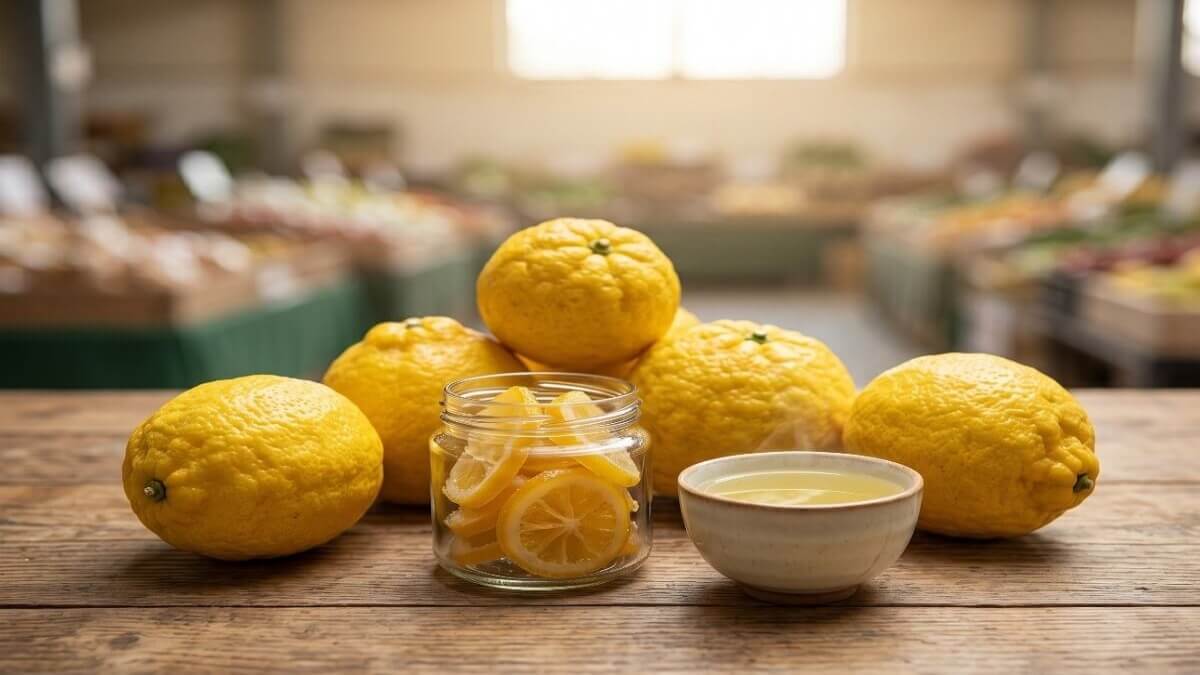
Citron is a large and highly aromatic citrus fruit. Its scientific name is Citrus medica. It does not contain as much liquid as a regular lemon. The standout feature of this crop is its extremely thick and hard rind.
The inner pulp of this fruit is quite minimal. The flesh often tastes dry and sour. People primarily use the rind and the white inner layer called the albedo. Its fragrance is incredibly intense. Ancient people actually used it as a natural perfume. Citron is famous for the extraordinary taste of its peel rather than its juice.
History and Origin of the Citron
The history of this fruit is rich and ancient. Researchers believe it originated in the foothills of the Himalayas. Its original homeland was the border regions of India and Myanmar. Ancient traders transported the fruit from there to the Middle East and Persia.
The ancient Greek botanist Theophrastus mentioned citron in his writings. He called it the “Persian apple” or “Median apple.” Soldiers of Alexander the Great brought this fruit to Europe after conquering Persia. The fruit gradually spread throughout the world via these trade routes. Farmers still cultivate it extensively in the Mediterranean region today.
Why Citron is One of the Oldest Citrus Fruits
Botanists consider citron the grandfather of modern citrus fruits. Modern science has proven that nature originally created only three true citrus fruits. These original species are the citron, the pomelo, and the mandarin.
Every lemon, orange, or grapefruit we see today is a hybrid of these three originals. Citron has retained its pure form for thousands of years. It is not a crossbreed. Scientists have confirmed through DNA testing that the modern lemon is actually a hybrid of the citron and the sour orange. This makes the plant a living piece of botanical history.
Types of Citron
Different varieties grow in various parts of the world. Climate and soil conditions create distinct differences in their size and taste. We have discussed the most popular types below.
Etrog Citron
Etrog is a special and sacred variety. Jewish people use this specific fruit during their harvest festival called Sukkot. A flawless Etrog holds immense cultural value.
Farmers cultivate this crop with extreme care. The fruit must not have any blemishes or defects to be used in rituals. Its scent is very refreshing, and it is oval. You can also make excellent preserves from the Etrog.
Fingered Citron (Buddha’s Hand)
Fingered citron looks incredibly unique and beautiful. Many people call it “Buddha’s Hand.” The bottom part of the fruit splits into sections that resemble human fingers.
There is zero juice or pulp inside this variety. The entire fruit consists solely of the rind and the white albedo. Its aroma is the most intense and sweet in the entire citrus family. People in Asian countries often keep it indoors to naturally scent their homes.
Common Citron Varieties
The Corsican and Diamante varieties are the most well-known. Farmers grow the Diamante citron extensively in the Mediterranean region, especially in Italy.
The white part of the Corsican citron lacks bitterness entirely. You can eat it directly without any preparation. Bakeries frequently use these common varieties to make candied peels. These fruits grow quite large and can easily weigh over a kilogram.
Nutritional Value of Citron
This fruit is a massive storehouse of nutrition. It contains various vitamins and minerals that keep the body healthy. Let us look closely at its nutritional profile.
Calories and Macronutrients
Citrons contain very few calories. Every 100 grams of the peel provides only 20 to 30 calories. It is an excellent food choice for people trying to lose weight.
The fruit contains almost no fat. You will find a small amount of protein inside. Dietary fiber in the white albedo serves as the main source of carbohydrates. This fiber provides quick energy and regulates blood sugar levels.
Vitamin C and Essential Nutrients
Citrus fruits naturally carry plenty of vitamin C. Citron strictly follows this rule. Its peel and trace amounts of juice contain high levels of ascorbic acid.
Vitamin C acts as an essential nutrient for our bodies. It plays a major role in collagen production. The fruit also offers small amounts of potassium, calcium, and magnesium. These important minerals strengthen our bones and maintain healthy muscle function.
Antioxidants and Plant Compounds
The thick rind is rich in flavonoids and antioxidants. Hesperidin and naringin are two of the most prominent compounds found here.
Health experts state that antioxidants protect our bodies from harmful free radicals. These plant compounds effectively reduce chronic inflammation. The essential oils present in the peel also possess strong antioxidant properties that prevent premature cellular aging.
Dietary Fiber Content
The white albedo section contains a high amount of soluble fiber called pectin. This specific fiber is highly beneficial for our digestive system.
Dietary fiber gives us a feeling of fullness for a long time. It promotes the growth of good bacteria in the colon. Consuming pectin regularly helps keep blood cholesterol levels in check. Eating the albedo is a delicious, natural way to increase your daily fiber intake.
Main Health Benefits of Citron
Physicians have used this plant to treat various ailments since ancient times. Modern science has validated many of these historical health claims. We have detailed the primary health benefits below.
Helps Boost Immunity
The high levels of vitamin C strongly boost our immune system. It directly helps the body produce white blood cells.
White blood cells defend our system against various infections and viruses. The fruit works exceptionally well in fighting colds, coughs, and the common flu. Eating it regularly can help protect you from seasonal illnesses.
Rich in Antioxidants
We already know the fruit is full of powerful antioxidants. These compounds help flush toxic substances out of our bodies.
Our cells constantly suffer damage from environmental factors. The antioxidants in this fruit repair those damaged cells. Many researchers believe these plant compounds reduce the risk of chronic illnesses like heart disease.
May Aid Digestion
Using this fruit is a fantastic natural way to resolve digestive issues. The essential oils in the peel stimulate the secretion of digestive juices.
The high fiber content works like magic to relieve constipation. It significantly increases bowel motility. Ancient Ayurvedic texts mention using the fruit to reduce nausea and bloating. Chewing a small piece of the peel after a heavy meal speeds up digestion.
Helps Maintain Hydration
We can still mix it with water even though it lacks juice. Water infused with the peel keeps the body perfectly hydrated.
Proper hydration is vital for our overall health. The infused fruit makes plain water taste much better. This encourages us to drink more fluids throughout the day. This refreshing beverage also helps maintain the body’s electrolyte balance.
May Improve Skin Health
Vitamin C makes it highly beneficial for the skin. Vitamin C helps produce collagen, a protein that keeps the skin firm.
Antioxidants prevent wrinkles and signs of aging from appearing. Cosmetic companies use the extract in many skincare products. It controls excess skin oil and helps reduce acne problems. Regular use enhances your skin’s natural glow.
Contributes to Overall Well-being
This unique citrus brings mental peace alongside physical benefits. Its refreshing scent actively calms our nervous system.
Aromatherapists use the extracted oil to reduce stress and anxiety. It acts as a natural mood lifter. Adding it to your daily diet promotes a healthy and vibrant lifestyle. It brings a new wave of energy into the body.
Citron and Immunity: Why Vitamin C Matters
Vitamin C is a water-soluble vitamin. Our bodies cannot produce it naturally. We must get it through the food we eat. Nothing works better than vitamin C to boost immunity.
It enhances the function of phagocytes that swallow harmful bacteria. Global health organizations heavily emphasize eating foods rich in this vitamin. The nutrients in the peel act as a protective shield for our bodies. They help heal wounds faster and accelerate the body’s natural recovery process.
Antioxidant Properties of Citron Explained
Oxidative stress occurs when harmful free radicals multiply in the body. Environmental pollution, unhealthy diets, and mental stress create these dangerous molecules. Oxidative stress eventually damages cellular DNA.
The antioxidants found in this fruit neutralize these free radicals. They stabilize the harmful molecules so they can no longer damage cells. The fruit essentially acts as an internal cleansing agent, removing harmful waste and keeping the body fresh.
Traditional Uses of Citron in Herbal and Cultural Practices
People have known about the medicinal properties of citrus fruits since antiquity. Traditional Chinese Medicine uses the dried peel to treat respiratory problems. Healers rely on it to cure severe coughs and clear mucus.
Indian Ayurvedic medicine uses it to balance the Pitta and Kapha doshas. Ayurvedic doctors recommend eating it to cure stomach pain and loss of appetite. Greeks and Romans considered it an antidote for snakebites and poisons. It remains a symbol of purity and longevity across multiple cultures.
What Does Citron Taste Like?
There is a huge difference in taste between common lemons and citrons. The flavor might surprise you if you try it for the first time. Let us look at its taste profile in detail.
Taste and Aroma
The outer yellow peel carries a highly fragrant aroma. It emits a slightly sweet and floral scent. The inner white albedo usually tastes sweet or completely neutral.
The tiny amount of juice inside can be extremely sour and slightly bitter. The overall flavor profile is incredibly refreshing and complex. Cutting the peel will instantly fill your entire kitchen with a wonderful perfume.
Difference Between Citron, Lemon, and Lime
The main attraction of regular lemons and limes is their juice. They have thin skins and hold plenty of liquid inside. Their juice is quite tart and acidic.
The primary part of the citron is its thick rind. It contains almost no liquid at all. The white part of a regular lemon is usually very bitter, so we throw it away. The white part of a citron is entirely sweet and completely edible.
Culinary and Other Uses
Chefs rely heavily on the zest for cooking and baking. They use it extensively in making sweets and pastries. The strong aroma multiplies the flavor of any dish.
The perfume industry places a high value on the essential oil. Manufacturers use it to scent rooms and make luxury soaps. It is a versatile fruit appreciated everywhere from the kitchen to the cosmetics lab.
Everyday Uses of Citron
We can easily incorporate this fruit into our daily lives. It can give our ordinary meals a royal flavor. Below are some popular ways to use it.
Making Marmalades and Pickles
The peel creates some of the best marmalades in the world. The natural pectin helps the jam set perfectly without artificial additives.
You can make sweet or spicy pickles at home. These pickles taste amazing with rice or flatbreads. The flavor of a citron pickle is much deeper and more aromatic than that of a regular lemon pickle.
Crafting Beverages and Extracts
A cold citron drink instantly refreshes the body on a hot day. You can make an excellent syrup by boiling the chopped peel with water.
You can mix this syrup with plain water, soda, or tea. Soaking a few slices in water overnight creates a powerful detox drink for the morning. It flushes toxins out and cleanses the system.
Enhancing Cooking and Food Flavors
Adding a little grated zest while cooking fish removes any unpleasant odors. It makes the food taste like it came straight from a fancy restaurant.
You can also use the peel to create bright salad dressings. Grating a small amount over baked vegetables or pasta elevates the dish entirely. It adds a wonderful, refreshing touch to heavy meals.
Preparing Candied Citrus Peel
Candied peel is incredibly famous across Europe. This sweet treat is an essential ingredient in Christmas fruitcakes and Panettone.
Bakers make it by boiling the thick rind in sugar syrup. You can eat it directly as a snack or use it to decorate various desserts. It is a highly beloved treat for people of all ages.
Popular Recipes Using Citron
You can try the recipes below if you want to experiment in your kitchen. They are very easy to prepare and taste absolutely delicious.
Citron Marmalade
Wash the fruits thoroughly before starting this marmalade. Cut them into small, even cubes.
Boil the pieces in a pot with enough water until the skins become soft. Add an equal amount of sugar to the soft peels. Keep stirring until the mixture becomes thick and sticky. Turn off the stove when it reaches a jam-like consistency. Store it in a glass jar once it cools down. It tastes fantastic on toasted bread for breakfast.
Candied Citron Peel
Cut the thick rind lengthwise to make this sweet treat. Boil the peels twice in water, discarding the water to remove any slight bitterness.
Make a syrup in a pan using one cup of water and one cup of sugar. Simmer the peels in the syrup over low heat. Remove them when they turn slightly translucent. Let them dry on a wire rack. Sprinkle extra sugar on top once they are completely dry. Your delicious candied peel is ready to eat.
Citron-Infused Tea
This tea works like magic to remove afternoon fatigue. Bring a pot of water to a rolling boil first.
Add a few pieces of fresh peel and your favorite tea leaves to the boiling water. Take it off the heat after 2 minutes, then strain it. You can add a little honey if you prefer a sweeter taste. The aromatic tea will calm your mind and restore your energy.
Citrus Toppings for Desserts
You can use the zest to make any dessert look and taste better. Grate fresh peel over vanilla ice cream or a rich cheesecake.
This tiny amount of grated skin balances the dessert’s sweetness and adds a wonderful scent. You can also arrange small candied pieces over a fruit custard. Your guests will absolutely love this elegant presentation.
Citron vs. Lemon vs. Lime: Key Differences
Understanding the differences between these three fruits is very important. Citron is the largest, and its skin is rough and thick. It holds almost no juice and has a very strong fragrance.
Regular lemons are medium-sized. Their skin is relatively thin, and they are full of juice. A common lemon is bright yellow. Limes are the smallest members of this family. They are usually green and taste tart and slightly bitter, unlike lemons. We use the juice of lemons and limes in cooking, but we use the citron peel.
Citron Peel vs. Juice: Culinary Comparison
The peel is the undisputed king in the culinary world. Chefs use it without hesitation because the inner white part has no bitterness. The skin adds substantial flavor and texture.
The juice is very scarce and extremely sour, making it difficult to use directly in cooking. You should understand that a recipe is asking for the zest or rind whenever it mentions citron. We always rely on regular lemons when a recipe needs acidity and juice.
How to Grow Citron at Home
You can easily plant a tree in your garden or in a large pot. It grows very quickly and yields excellent fruit. We have discussed some useful cultivation methods below.
Climate and Soil Requirements
The plant prefers warm, sunny weather. Extreme cold or frost can severely damage the tree.
Well-drained loamy soil works best for planting. The roots might rot if water stagnates in the soil. Make sure the container has adequate drainage holes if you plant it in a pot. Use plenty of organic compost to keep the soil fertile.
Care and Maintenance Tips
The plant needs regular watering, but the soil should never turn into mud. Summer heat dries the soil quickly, so it requires more water during that time.
Prune the branches at least once a year to keep the tree in good shape and encourage new leaves. Removing dead or diseased branches keeps the plant healthy. You can spray neem oil to control pests naturally.
Harvesting Citron Fruit
The perfect time to harvest is when the fruit turns completely bright yellow. Leaving it on the tree for too long makes the peel unnecessarily hard.
Use sharp scissors or pruners to cut the fruit from the stem instead of pulling it by hand. You will instantly feel the sweet aroma as soon as you pick it. The joy of harvesting fresh fruit is truly unmatched.
Potential Side Effects and Precautions
You should exercise some caution, even though this is a very healthy fruit. Every human body reacts differently, so it is best to know the facts before overconsuming it.
Citrus Allergies
Some people possess a natural allergy to citrus fruits. Doctors call this a citrus allergy.
Touching the peel can cause rashes or itching in some individuals. Medical professionals refer to this as contact dermatitis. Eat a very small amount to check for adverse reactions if you have never tried it before. Consult a doctor immediately if you notice any allergy symptoms.
Acidity Concerns
The juice and peel contain a small amount of acid, even though the white part is sweet.
People with stomach ulcers or severe acidity should eat it with caution. Consuming excess citrus on an empty stomach can cause severe heartburn. It is always best to consume it in moderate amounts.
Who Should Limit Citron Intake?
Doctors often tell patients with kidney problems to limit their citrus intake. The fruit contains potassium that damaged kidneys cannot filter easily.
People suffering from tooth enamel erosion should also be careful. Natural fruit acids can weaken tooth enamel over time. Rinsing your mouth with plain water after eating helps prevent this specific problem.
How to Choose Fresh Citron
Selecting a high-quality fruit from the market is almost like an art form. You will get the best taste and aroma if you can pick the right one.
Signs of Ripeness
A fully ripe fruit will show a bright and even yellow color. A green tint means the fruit has not ripened completely yet.
The ripe fruit will feel firm but slightly soft when pressed. Do not buy excessively hard fruits because they might be raw. Ensure there are no black spots or rotten areas on the skin.
Selecting High-Quality Fruit
Hold the fruit in your hand to feel its weight. It indicates good quality if it feels slightly heavy for its size.
A heavy fruit means it retains the right amount of moisture. Avoid buying it if the peel looks overly dry or wrinkled. The skin of a fresh fruit remains tight and slightly glossy.
Smell and Texture Indicators
Smelling the fruit is the best way to determine its freshness. Bring your nose close to the peel and rub it gently.
It is a fantastic fruit if a strong and fresh citrus scent hits your nose immediately. The texture of the peel will be somewhat rough and pitted, which is a completely normal characteristic.
Tips for Storing Citron Properly
The fruit can spoil very quickly if you do not store it correctly. You can follow the methods below to maintain its freshness.
Room Temperature Storage
You can keep it at normal room temperature if you plan to use it within a few days.
Place the fruit in a basket in a well-ventilated area. Do not place it in direct sunlight or near a hot stove. Excessive heat will dry the fruit out quickly and ruin its aroma.
Refrigerator Guidelines
Keeping it in the refrigerator is the best method for long-term storage. Put the fruit in a paper or ziplock bag and place it in the crisper drawer.
Moisture can build up and rot the fruit if you seal it tightly in a plastic bag. Ensure the bag has a little airflow. The fruit stays fresh for three to four weeks when stored this way.
Preserving Freshness and Flavor
You can grate the zest and store it in an airtight container in the freezer. The taste and aroma remain completely intact for many months.
You can use this frozen zest directly while cooking or baking. This smart method saves time and ensures no part of the fruit goes to waste.
Frequently Asked Questions About Citron
People have many curiosities about this unique fruit. We have answered some of the most common questions below.
Can you eat citron raw?
Yes, you can easily eat the peel and the white inner albedo raw. It is not bitter like a regular lemon. The juice is extremely sour, making it difficult to drink directly. People mostly eat the peel raw by grating it into salads or desserts.
What is citron used for?
People primarily use it to enhance the flavor of food. It has a massive demand in the marmalade and baking industries. People also use it in religious festivals, aromatherapy, and as a natural fragrance in cosmetics.
Is citron good for health?
Absolutely, it is exceptionally beneficial for your health. It contains massive amounts of vitamin C, antioxidants, and dietary fiber. It boosts immunity, aids digestion, and cleanses the body from the inside out.
Citron in Global Cultures
Citron is not just a food item; it is an integral part of various cultures worldwide. People have respected and utilized it for millennia.
Citron in Jewish Tradition (Etrog)
The fruit holds a highly sacred position in the Jewish faith. They refer to it as the Etrog. Using it during the autumn festival of Sukkot is mandatory.
They consider it a symbol of the human heart. Worshippers hold the Etrog in their hands while praying for divine blessings. Traditional cultivation continues worldwide today largely because of this religious requirement.
Citron in Asian Cuisine
Asian countries, particularly China and Japan, use this crop extensively. They gift the fingered variety during the New Year as a powerful symbol of good luck.
Chinese cooks mix the fragrant peel into various soups and meat dishes. Koreans make a traditional winter tea called Yuja-tea using a related citrus fruit. They drink it to keep their bodies warm during the freezing winter months.
Modern Culinary Uses Worldwide
French pastry chefs in top-tier restaurants globally are constantly innovating with this ingredient. They use the aromatic peel to create luxury macarons, cakes, and tarts.
Bartenders use the zest to make craft cocktails and mocktails look and taste spectacular. It has successfully secured its place as a premium ingredient in modern gastronomy.
Final Thoughts on Citron
We have learned a great deal about the history, nutrition, and practical uses of this remarkable plant. It truly is a wonderful gift from nature.
Key Takeaways
The main lesson here is that citron is no ordinary fruit. It is an aromatic herb packed with powerful nutrition. The vitamins and fiber in its peel are essential for our optimal health. Using it correctly can bring many positive changes to our daily lives.
Why Citron is a Unique and Ancient Citrus Fruit
The fruit remains unique because it is the ancient father of all other citrus fruits. It has maintained its original form, scent, and nutritional profile for thousands of years. The thick rind and lack of juicy flesh make it completely different from any other fruit on the market.
Easy Ways to Add Citron to Foods, Drinks, and Healthy Routines
You can easily add this amazing ingredient to your daily routine. Grate a little zest into your morning tea. Drop a few pieces of the peel into your daily water bottle.
Use it to elevate the flavor profiles of your home-cooked meals. You can enjoy all the health benefits through these small, simple changes. Nature has given us countless ingredients to stay healthy; we just need to learn how to use them properly.