Mustard Seeds Benefits & Uses: The Ultimate Guide
What Are Mustard Seeds?
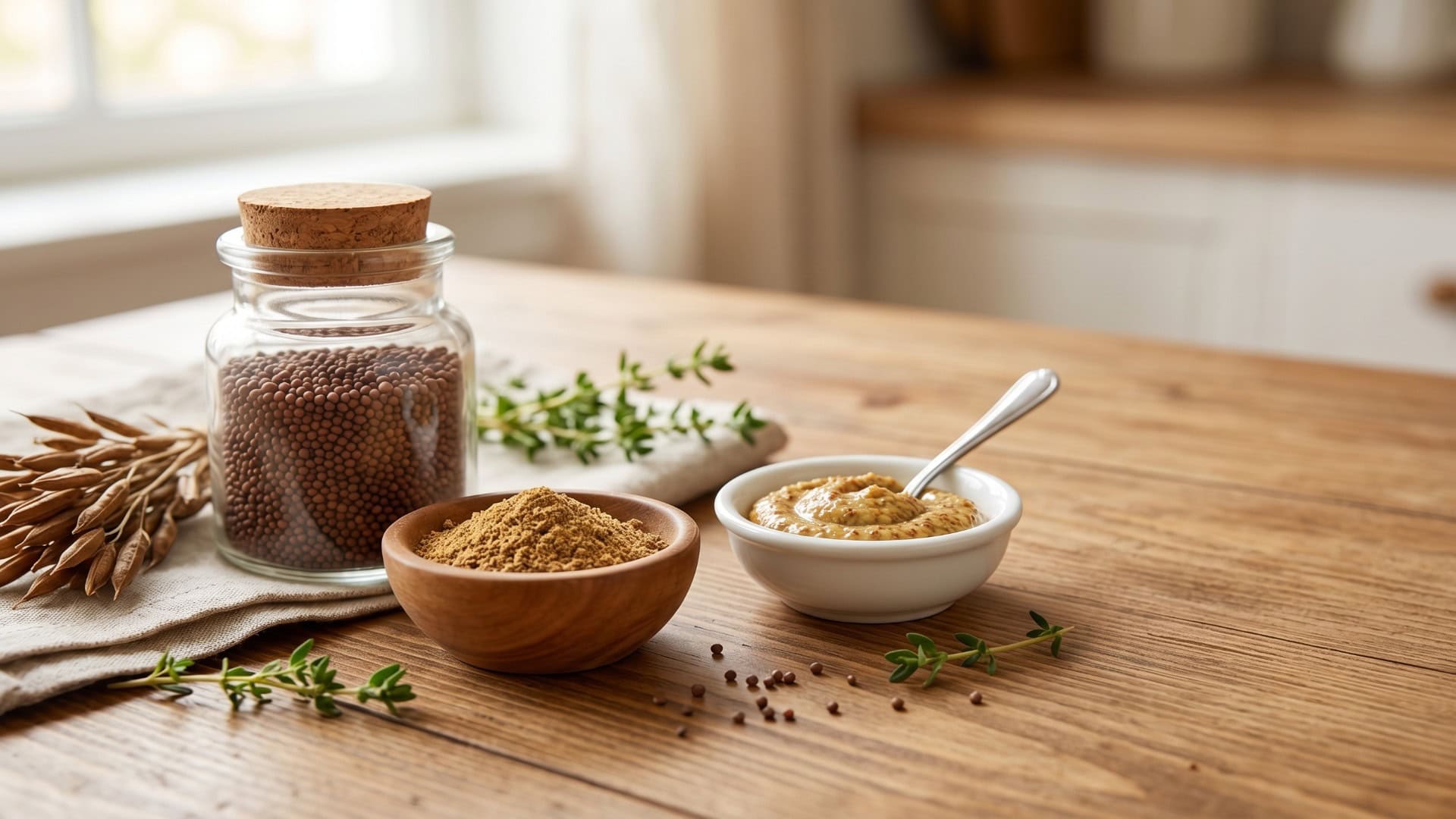
Mustard seeds are small, round seeds from various plants in the Brassica family. These seeds usually measure about one to two millimeters in diameter. People around the world have used these seeds as a spice for ages.
These seeds mainly come in yellow, brown, and black colors. Beyond enhancing the taste and aroma of food, these seeds offer incredible health protection. You can easily add this spice to your daily meals.
Mustard plants grow very well in temperate regions. These plants grow rapidly and produce seeds within a short time. These tiny seeds hide numerous nutritional benefits and healing properties.
History and Origin of Mustard Seeds
Mustard seeds hold an important place in human history. Historians believe the ancient Romans were the first to use mustard seeds as a culinary spice. They ground these seeds and mixed them with grape must to create a paste.
The Romans helped spread this spice to other parts of Europe. Archaeologists have even found traces of mustard seeds in the tombs of ancient Egyptian pharaohs. The Egyptians considered these seeds highly sacred and medicinal.
The Indian subcontinent has a thousand-year history of using these seeds. Ancient Sanskrit texts frequently mention mustard seeds. In this region, people use the seeds not just for cooking but also for religious rituals and traditional medicine.
Why Mustard Seeds Are a Staple Spice Worldwide
Mustard seeds remain an essential ingredient in kitchens across the globe. Their unique flavor and pungent aroma make them incredibly popular. There is no alternative to this spice when you want to add a different dimension to your food.
These seeds not only enhance the taste of food but also help preserve it for a long time. Mustard seeds naturally contain antimicrobial properties. These components prevent the growth of harmful bacteria.
Moreover, farmers can easily cultivate mustard in various climates. Because it is a cost-effective crop, ordinary people have widely accepted it since ancient times. Today, this spice remains equally popular worldwide for its quality and availability.
Types of Mustard Seeds
People globally use three main types of mustard seeds. Each type has distinct differences in taste, aroma, and application. Below is a detailed discussion of these three main varieties.
Yellow Mustard Seeds
People often call yellow mustard seeds white mustard. This variety of mustard usually has a mild flavor. It originated in the eastern Mediterranean region, but farmers now cultivate it worldwide.
American cuisine features this mustard heavily. Cooks primarily use these seeds to make the famous yellow mustard sauce. Yellow mustard works wonderfully to add a mildly sweet, tangy flavor to dishes.
Brown Mustard Seeds
Brown mustard seeds originally grew in the Himalayan region. Their taste is somewhat stronger and more pungent than that of yellow mustard. Indian cuisine uses this mustard extensively.
Cooks specifically use brown mustard to enhance the flavor of various curries. European markets also have a high demand for brown mustard to produce the famous Dijon mustard.
Black Mustard Seeds
Black mustard seeds possess the strongest and most intensely pungent flavor. They originated in the Middle East. These seeds are slightly smaller than those of other mustards.
South Indian cooking considers black mustard an essential ingredient. When you temper these seeds in hot oil at the beginning of cooking, they pop and release a wonderful nutty aroma. Using black mustard in chutneys and pickles is also very common.
Key Differences Between the Varieties
The biggest difference among these three varieties lies in their taste and pungency. Yellow mustard is the mildest, brown mustard is medium, and black mustard is the most pungent. People choose these different mustards based on their cooking style.
Besides color, they also differ in chemical composition. Black mustard contains a higher amount of volatile oils. This oil gives black mustard its strong smell. Yellow mustard has a comparatively lower amount of this oil.
Nutritional Value of Mustard Seeds
Although small in size, mustard seeds contain a massive storehouse of nutrition. These seeds provide various essential elements for our bodies. According to the USDA, these seeds are rich in vitamins and minerals.
Calories and Macronutrients
Mustard seeds are a fairly calorie-dense food. Every 100 grams of mustard seeds contains about 508 calories. However, since we usually use these seeds in very small amounts, they do not significantly impact our weight.
They contain a good amount of healthy fats. There are about 36 grams of fat in 100 grams of seeds. Most of this fat is unsaturated fat. This type of fat is highly beneficial for our bodies.
Protein and Dietary Fiber
Mustard seeds are an excellent source of plant-based protein. You can find about 26 grams of high-quality protein in every 100 grams of seeds. This can help vegetarians meet their protein needs.
Additionally, they contain a large amount of dietary fiber. Fiber slows our digestion and helps keep us full for longer. Fiber also helps regulate blood sugar levels.
Essential Vitamins and Minerals
These tiny seeds are full of calcium, magnesium, phosphorus, and potassium. These minerals are crucial for keeping our bones strong. They also play a role in maintaining normal muscle function.
Mustard seeds contain various types of B vitamins. Notable among these are folate, niacin, and thiamin. These vitamins support the health of our nervous system and help the body produce energy from food.
Antioxidants and Plant Compounds
Mustard seeds contain large amounts of special plant compounds called glucosinolates. These compounds give mustard its pungent taste. Scientists have proven that these compounds possess strong cancer-fighting properties.
They also contain flavonoid antioxidants named isorhamnetin and kaempferol. These antioxidants protect our cells from harmful free radicals. Eating mustard regularly boosts the body’s immune system.
Top Health Benefits of Mustard Seeds
The nutritional components of mustard seeds are beneficial for the health of various organs. Their regular use helps reduce the risk of several chronic diseases. Below are the main health benefits.
Helps Boost Digestion
Mustard seeds stimulate our digestive process. Eating them causes our mouths to produce more saliva. Saliva softens the food and aids in primary digestion.
Furthermore, mustard seeds help stimulate gastric juice production in the stomach. This juice helps break down food quickly and aids in nutrient absorption. Its fiber works wonderfully to relieve constipation.
Rich in Antioxidants
Mustard seeds are highly effective at reducing oxidative stress inside the body. The antioxidants within them flush out harmful toxins from the body. Research from the National Institutes of Health (NIH) shows that antioxidant-rich foods help achieve longevity.
Antioxidants also help reduce signs of aging. Mustard seeds keep the skin healthy from the inside out. This prevents the premature death of cells.
May Promote Heart Health
Mustard seeds contain a large amount of omega-3 fatty acids. These fatty acids reduce inflammation in our blood vessels. They also help lower bad cholesterol levels in the blood.
The magnesium in them plays an important role in controlling blood pressure. High blood pressure is a major cause of heart disease. Therefore, eating mustard seeds in moderation can be beneficial for the heart.
Supports Bone Health
Mustard seeds contain plenty of calcium and selenium. These two minerals are essential for our bones and teeth. Calcium increases bone density, and selenium prevents bone loss.
Mustard seeds can help older adults prevent bone diseases such as osteoporosis. Keeping these seeds in the regular diet can also provide some relief from arthritis pain.
May Help Reduce Inflammation
Mustard seeds act like medicine to reduce inflammation throughout the body. The glucosinolates inside them deactivate the enzymes that cause inflammation.
Using mustard seeds for muscle or joint pain yields good results. Applying a paste of ground mustard seeds to the painful area often brings relief. It also helps reduce inflammation related to respiratory issues.
Contributes to Overall Wellness
Mustard seeds are beneficial not just for a specific organ but for the entire body. Their vitamins and minerals strengthen our immune system. It works wonderfully in preventing the common cold and cough.
Some of its components also work to maintain good mental health. The magnesium present in mustard seeds calms our nervous system. This also helps promote good sleep.
Mustard Seeds and Digestive Health: How They Work
People know mustard seeds as a friend to the digestive system. When we chew or crush mustard seeds, they release an enzyme called myrosinase. This enzyme speeds up the digestive process.
These seeds help increase bile secretion from the liver. Bile is essential for digesting the fat in our food. Therefore, using mustard in heavy or fatty cooking is very logical.
The soluble fiber in them serves as food for beneficial gut bacteria. These bacteria keep our gut health in check. As a result, problems like gas, bloating, or indigestion stay away.
Antioxidant Properties of Mustard Seeds Explained
Antioxidants are basically molecules that neutralize the free radicals in our bodies. Free radicals are unstable molecules that damage cells. The isothiocyanate compound found in mustard seeds is a highly powerful antioxidant.
This compound directly assists in the body’s detoxification process. It stimulates the liver to expel harmful substances from the body. These antioxidants also work to prevent DNA damage in cells.
Various studies have shown that these components in mustard seeds can inhibit the growth of cancer cells. Scientists are particularly optimistic about its role in reducing the risk of stomach and colon cancer.
Mustard Seeds in Traditional Medicine and Ayurveda
Mustard seeds are an extremely important ingredient in Ayurvedic texts. Practitioners in the Indian subcontinent have used it for thousands of years to treat various ailments. Ayurveda believes that mustard seeds pacify the ‘Kapha’ and ‘Vata’ doshas of the body.
Ayurveda mentions using mustard seeds to keep the body warm during winter. People used mustard paste or its smoke to treat respiratory diseases such as colds, coughs, and asthma. It helps liquefy phlegm and expel it.
In Ayurvedic beauty treatments, people used ground mustard seed paste to clean the skin and remove wrinkles. It increases blood circulation in the skin. There is also a tradition of applying heat with warm mustard pouches to remove muscle stiffness.
How to Use Mustard Seeds in Cooking
You can use mustard seeds in many ways in cooking. Because of its versatile uses, it has found a place in almost every kitchen. Below are some common and popular ways to use it.
As a Tempering (Tadka)
Tempering is a very common method in Indian cooking. If you drop whole mustard seeds into hot oil or ghee, they pop and crackle. This process releases the aromatic oil inside the seeds.
This tempering multiplies the taste of dal, vegetables, or any curry. Black or brown mustard is best for this task. You must be careful not to let the seeds burn black; otherwise, a bitter taste may come into the food.
In Curries and Vegetable Dishes
Cooks use directly ground mustard seeds in many vegetable dishes. Mustard paste thickens the curry gravy and adds a pungent flavor. Using mustard paste in fish curries is also very common.
If you grind a little salt and green chili along with the mustard, its bitterness decreases significantly. After making the paste, use it in cooking quickly rather than leaving it out for too long.
In Pickles and Preserves
Mustard seeds are one of the main ingredients for making pickles. From mango to garlic, cooks use it in everything. Mustard seeds add a wonderful taste to pickles.
Besides taste, it also acts as a natural preservative. It prevents fungal or bacterial attacks in the pickle. People use both whole and powdered mustard to increase the shelf life of pickles.
In Homemade Mustard Spice
You can easily make mustard powder at home. Lightly roast the mustard seeds in a pan, then grind them in a blender. You can use this powder as a spice in various dishes.
Using this spice to make salad dressings or mayonnaise adds great flavor. Adding a little mustard powder to the marinade softens the meat quickly and removes bad odors.
Popular Recipes Using Mustard Seeds
You can create numerous delicious dishes using mustard seeds. Below are some simple, popular recipe ideas you can try at home.
Mustard Seed Tempered Dal
First, boil any dal you like. Now, heat a little oil or ghee in a pan. When the oil is hot, add half a teaspoon of black mustard seeds, a few dried chilies, and curry leaves.
As soon as the mustard pops, pour this mixture directly over the boiled dal. Stir well to mix. This simple tempering will make ordinary dal extraordinarily delicious.
South Indian Coconut Chutney
Blend one cup of grated coconut, two green chilies, a little ginger, and salt to taste. Add water as needed to create a smooth paste. Pour the chutney into a bowl.
Now, heat oil in a pan and temper it with mustard seeds, urad dal, and curry leaves. Spread this tempering over the coconut mixture. This chutney tastes great with dosa or idlis.
Homemade Pickles
Cut raw mangoes into pieces, coat them with turmeric and salt, and dry them in the sun for a day. Now, heat a little mustard oil in a pan and temper it with whole mustard seeds, fennel seeds, and fenugreek seeds.
Put the mango pieces in the oil and stir for a while. Then mix well with powdered mustard and other spices. Once the pickle cools, store it in a glass jar.
Mustard-Based Salad Dressing
In a small bowl, combine one tablespoon of olive oil, one teaspoon of lemon juice, and half a teaspoon of mustard powder or paste. Add a little honey, salt, and black pepper powder to it.
Whisk all the ingredients well with a fork until the mixture is smooth. Drizzle this dressing over any fresh vegetable salad. It will bring a wonderful, sweet, sour, and pungent flavor to the salad.
Mustard Seeds vs. Mustard Powder: What is the Difference?
Mustard seeds are whole spices. Their taste and aroma remain protected within the seed’s hard shell. On the other hand, mustard powder is a fine powder made by grinding these seeds.
When we use whole seeds in cooking, they add texture and bite to the food. Its flavor gradually mixes into the food. But as soon as mustard powder comes in contact with liquids, it releases its full flavor immediately.
Mustard powder can easily lose its flavor when exposed to air and moisture. Therefore, whole seeds stay fresh much longer than the powder. People choose these two forms based on their cooking style.
Mustard Seeds vs. Mustard Oil: A Comparison of Uses
Manufacturers produce mustard oil from mustard seeds using a cold-press method. Mustard seeds contain protein, fiber, and carbohydrates. But mustard oil contains only fat, as other nutrients are left behind during oil extraction.
Cooks use whole seeds in small amounts primarily as a spice to enhance taste and flavor. On the other hand, people use mustard oil as a primary cooking medium. Cooking with this oil creates a strong, distinct flavor in the food.
From a nutritional perspective, whole seeds contain more fiber and vitamins. However, cold-pressed mustard oil is also quite beneficial in moderation as a source of healthy fats.
How to Store Mustard Seeds Properly
Knowing the proper storage method is crucial to keeping the nutritional value and taste of mustard seeds intact for a long time. Light, air, and moisture are the main enemies of this spice. Below are the best ways to store them.
Best Containers for Storage
Glass jars are best for storing mustard seeds. Storing them in plastic containers can alter the spice’s taste, and the plastic’s smell can mix with the food’s aroma due to the oils.
The lid of the jar must be airtight. If air gets in, the aroma of the mustard seeds vanishes very quickly. Always close the jar’s mouth tightly after use.
Protecting Flavor and Aroma
You should keep mustard seeds away from direct sunlight. Sunlight and excessive heat dry out the volatile oils inside the seeds. As a result, the spice’s main pungent taste is destroyed.
Do not place the spice jar very close to the kitchen stove. Storing mustard seeds in a dark and dry cupboard, away from heat, is the safest method.
Shelf Life and Tips to Maintain Freshness
Under the right conditions, whole mustard seeds can remain good for 1 to 3 years. However, mustard powder starts losing its flavor within six months.
Never insert a wet spoon into the spice jar. Moisture can cause mold to grow on mustard seeds. If necessary, keep a small amount of seeds in a small container and seal the rest in a large container.
Potential Side Effects and Precautions
Eating mustard seeds in moderation with food is completely safe for most people. However, consuming them in excess or having certain health conditions can lead to side effects.
Allergic Reactions
Some people may have an allergy to mustard seeds. According to Medical News Today, mustard allergy is quite common. Its symptoms include skin rashes, an itchy mouth, or breathing difficulties.
If you notice any such symptoms after eating a lot of mustard for the first time, you should consult a doctor immediately. If you have an allergy, you must completely avoid any food containing mustard.
Concerns of Overconsumption
Raw mustard seeds contain a compound called goitrogen. If this component enters the body in excess, it can interfere with thyroid gland function. Thyroid patients should therefore be cautious about eating raw mustard.
Eating excessive amounts of mustard can cause stomach pain, diarrhea, or intestinal inflammation. Its pungent components can also cause a burning sensation in the throat and stomach.
Who Should Exercise Caution?
Pregnant and breastfeeding women should consult a doctor before adding anything new to their diet. Although a small amount of mustard in food is safe, it should not be taken in medicinal doses.
Those with stomach ulcers or gastritis should avoid intensely pungent mustard. It can irritate the sensitive lining of the stomach.
How to Choose High-Quality Mustard Seeds
You can find mustard seeds of various qualities in the market. Look at their color and size to choose the best quality seeds. High-quality mustard seeds are uniform in size and bright in color.
Pay attention to ensure there are no stones, dust, or other debris inside the seeds. Always check the expiration date when buying packaged mustard seeds.
If possible, buy organically grown mustard seeds. These seeds do not contain harmful pesticide residues. You can sniff the seeds a bit before buying; good seeds will have a fresh aroma.
Frequently Asked Questions About Mustard Seeds
Can You Eat Mustard Seeds Every Day?
Yes, you can eat mustard seeds in moderation every day as a normal cooking spice. It can be a healthy addition to your daily nutritional needs. However, it is best not to eat them in excessive amounts.
Are Mustard Seeds Good for Digestion?
Absolutely. Mustard seeds help produce digestive enzymes and saliva, which eases the digestive process. Its fiber content is also highly beneficial for curing constipation.
What is the Best Way to Use Mustard Seeds?
Tempering them in hot oil or toasting them to use in curries is the most popular way. You can grind it to add to fish or vegetable gravies, and it also has great uses in chutneys and pickles.
Mustard Seeds in Culinary Traditions Around the World
The use of mustard seeds is not limited to any specific geographical boundary. Various cultures use it in cooking in different ways.
Mustard Seeds in Indian Cuisine
Mustard seeds are essential in the Indian subcontinent, especially in Bengali and South Indian cooking. Bengal’s famous “Shorshe Ilish” is one of the finest examples of this spice’s use. In South India, cooks temper almost every dish with whole mustard seeds.
Here, cooks use mustard not just as a spice, but as the primary flavor determinant of the food. You can notice mustard in dal, curries, chutneys, and pickles.
Mustard Seeds in European Cuisine
In European cooking, the paste or sauce of yellow and brown mustard seeds is more popular. The “Dijon mustard” made in the city of Dijon, France, is appreciated worldwide. They usually use mustard paste on meat roasts or sausages.
Europeans use large amounts of mustard powder to make salad dressings and mayonnaise. Germany also has a tradition of serving sweet-and-sour mustard sauce with various traditional foods.
Modern Culinary Applications Worldwide
Chefs in modern fusion cuisine are constantly experimenting with mustard seeds. They now frequently use crushed mustard seeds to marinate seafood.
Health-conscious individuals are adding a small amount of sprouted mustard seeds to their smoothies or health bowls. This adds a wonderful crunch and nutrition to the food.
Final Thoughts on Mustard Seeds
Mustard seeds are not just an ordinary spice; they are a powerhouse of nutrition and taste. Their proper use makes our diet delicious while keeping the body healthy.
Key Takeaways
We have learned that mustard seeds contain plenty of protein, fiber, vitamins, and minerals. It helps improve digestion, reduce inflammation, and keep the heart healthy. If stored correctly, this spice stays good for a long time.
Why Mustard Seeds Are a Valuable Culinary and Nutritional Ingredient
Even when used in very small amounts, these seeds bring extraordinary taste and aroma to food. Alongside, it provides antioxidants that can protect our bodies from deadly diseases like cancer. Such a wonderful combination of taste and health is found in very few foods.
Simple Ways to Add Mustard Seeds to Your Daily Diet and Cooking
You can very easily include mustard seeds in your daily routine. Sprinkle a pinch of mustard powder over an egg while frying it for breakfast. Add a little whole mustard tempering to your lunch dal. Mixing a bit of mustard paste into your salad dressing will make your meal much healthier and tastier.