Pine Nuts: 5 Health Benefits, Pine Mouth Syndrome, and Storage Guide
We’ll explore the benefits and potential harm of these nuts, how much you can eat, and how to store them properly.
Pine nuts are rich in beneficial fatty acids, vitamins, and macro- and micronutrients. However, they are high in calories, and overeating them can lead to “pine mouth syndrome.” We’ll tell you everything you need to know about pine nuts.
What Are Pine Nuts?
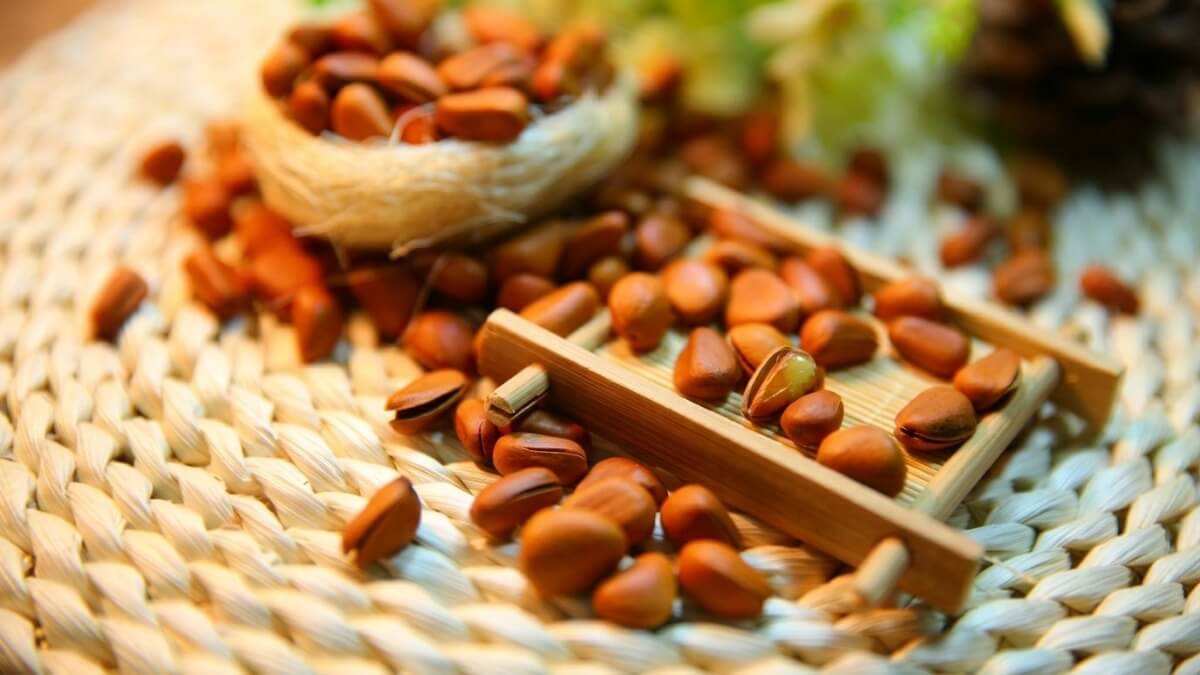
Pine nuts are the seeds of several species of pine trees (e.g., Siberian, European, Korean, and Italian pines). These trees are also called cedars, although this is botanically incorrect. Furthermore, depending on the pine species and even the environment, pine nuts can vary in shape, nutritional content, and flavor. Incidentally, the seeds of true cedars are inedible.
Remains of pine nuts have been found in excavations of the Sumerian kingdom and in the ruins of Pompeii. The medieval Persian scholar and physician Avicenna wrote about the product’s beneficial properties. In Russia, pine nuts have been used in cooking since the 16th century, and under Ivan the Terrible, they even became an export commodity. The pine nut industry developed thanks to the development of Siberia.
The price of pine nuts is largely determined by the difficulty of harvesting them. For example, it can take over 20 years for a Siberian pine tree to produce edible seeds.
Pine Nut Calories and Nutrition Facts per 100 g
100 g of pine nuts contain:
-
Calories: 673 kcal
-
Fat: 68.4 g
-
Protein: 13.7 g
-
Carbohydrates: 13.1 g
-
Fiber: 3.7 g
The optimal portion is from 30 to 60 g of nuts per day.
5 Health Benefits of Pine Nuts
Pine nuts are rich in B vitamins, vitamins A, E, and K, as well as iron, phosphorus, zinc, magnesium, copper, and manganese. They contain 19 amino acids, including 8 essential for humans: leucine, isoleucine, lysine, methionine, threonine, tryptophan, valine, and phenylalanine. The human body cannot synthesize them on its own, but they are necessary for muscle development and the elasticity of ligaments, skin, and tendons.
Regular consumption of pine nuts is associated with cardiovascular health benefits and lower blood sugar and cholesterol levels. However, it is important to remember that pine nuts can cause allergies. Be cautious when introducing this product: it is best to try just a few nuts first.
1. Helps Control Blood Sugar Levels
According to research, pine nuts eaten on an empty stomach help lower blood sugar levels. Replacing carbohydrate-rich foods with pine nuts, which are rich in unsaturated fats, also has a beneficial effect on glucose levels.
Scientists have found that eating at least 60 grams of nuts daily on an empty stomach for two months reduces glucose levels and improves insulin sensitivity in people with type 2 diabetes. Pine nuts have a glycemic index of only 15, making them acceptable for diabetics.
In addition, just 30 g of pine nuts provide 109% of the daily value of manganese, which helps support healthy glucose metabolism. Phenolic compounds (polyphenols) found in the product have a similar effect on the body.
2. Promotes Weight Normalization
Pine nuts are high in calories, but they don’t easily cause weight gain when eaten in controlled portions. They provide a long-lasting feeling of fullness, making them a helpful snack for those watching their weight to avoid gaining extra pounds. The fatty acids they contain also help suppress appetite.
3. Supports Brain Health
Pine nuts are a source of beneficial fatty acids, including omega-3s (34.1 g per 100 g of product as noted in your source data, compared to a general adult ALA recommendation of 1.6 g per day). Omega-3 fatty acids are important for brain health, helping to maintain cognitive function longer and reducing the risk of dementia.
4. Useful for Insomnia
The high tryptophan content (43% of the daily value) makes pine nuts an ideal “sleep food.” This amino acid (L-tryptophan) is converted into serotonin, an important neurotransmitter that has a beneficial effect on mood and sleep. Decreased serotonin levels increase the risk of sleep disorders and elevated stress levels.
5. Lowers Cholesterol Levels
Pinolenic acid, a component of pine nuts, may help lower blood cholesterol levels. However, the specific mechanism by which this occurs has not yet been identified, as studies have only been conducted on animals.
Potential Harm of Pine Nuts and Pine Mouth Syndrome
The potential harm of pine nuts lies in overeating. The recommended daily intake of pine nuts is 30 to 50 grams per day. Significantly exceeding this amount can lead to the development of so-called “pine mouth syndrome.” The main symptom of this condition is a metallic or bitter taste in the mouth. The condition can last from two days to two weeks, and it will resolve on its own.
How to Use Pine Nuts in Cooking
Pine nuts can be added to vegetable salads, sprinkled on meat and fish, added to yogurt or cottage cheese, or eaten plain. Try making a healthy and delicious Mediterranean salad with them.
First, prepare the ingredients: boil and peel the shrimp (400 g, serves 3). Thinly slice the onion (70 g) and soak in vinegar and water (1 tablespoon each). Dice the feta cheese (50 g). Wash and dry the arugula (125 g). Peel and slice the avocado (1) into medium wedges, halve the cherry tomatoes (6), and cut the bell pepper (120 g) into half rings.
Combine all ingredients in a deep bowl (squeeze the onion first). Season with salt and pepper to taste and drizzle with olive oil. Sprinkle the finished salad with pine nuts (4 tablespoons, about 40 g).
How to Choose and Store Pine Nuts Properly
When choosing pine nuts at the store, pay attention to the color: the shell should be uniformly colored, and the shelled seeds should be light in color. A musty or moldy smell is a bad sign. If the nuts are in the shell, shake them; a rattling sound indicates an old harvest.
At room temperature and low humidity, unshelled nuts can be stored for up to a year (in the cone, for up to several years), while shelled seeds should only be stored in the refrigerator for no more than 90 days. Low humidity, absence of light, and low temperatures help preserve the product’s beneficial properties for a long time. Freezing the seeds can extend their shelf life by 6 to 8 months.
Nutritionist Advice on Pine Nuts
Pine nuts contain plant-based organic acids, which, unlike animal fats, are beneficial for our heart and blood vessels. The product is rich in beneficial polyunsaturated fatty acids.
Pine nuts should not be used as a meal replacement, but they are perfectly fine as a snack. Siberian pine seeds are most beneficial when eaten raw. They are best eaten for breakfast or lunch, and avoided at night.
Pine nuts are recommended for children because they contain vitamins that promote growth: vitamin A, B vitamins (thiamine, riboflavin, niacin), and vitamin E (tocopherol). It is best to introduce them into the diet after three years of age.
Allergist Advice on Pine Nut Allergies
Pine nuts are considered less commonly allergenic than many other nuts, but allergies to them are still possible. If you experience a reaction to the product, seek medical attention immediately.
Sometimes the cause of allergies is human error. Improper storage causes pine nuts to produce toxic substances, which can trigger a food allergy. If the nut tastes bitter with a slight sourness, it is spoiled.
Typically, a reaction occurs to one type of nut and not another. For example, you might eat almonds and develop an allergy, while pine nuts do not cause any problems. The size of a nut plays a significant role in determining its allergenicity.
Key Takeaways About Pine Nuts
-
Pine nuts are the edible seeds found inside pine cones. They are covered by a hard outer shell that must be removed. The inner seeds, which are light-colored and oblong, are edible.
-
Pine nuts are high in calories, but they are rich in fiber, protein, and omega-3 fatty acids. In moderate portions, pine nuts are beneficial for brain function and help normalize blood sugar and cholesterol levels. The optimal serving size is no more than 50 to 60 grams per day, unless otherwise indicated.
-
Pine nuts are eaten raw or added to salads, sweet dishes, and desserts. The key is to use fresh, unspoiled nuts. Shelled seeds keep for up to 90 days in the refrigerator and can last for an additional 6 to 8 months in the freezer.