The Complete Guide to Ginger Tea: 17 Healing Recipes for Colds, Weight Loss & Energy
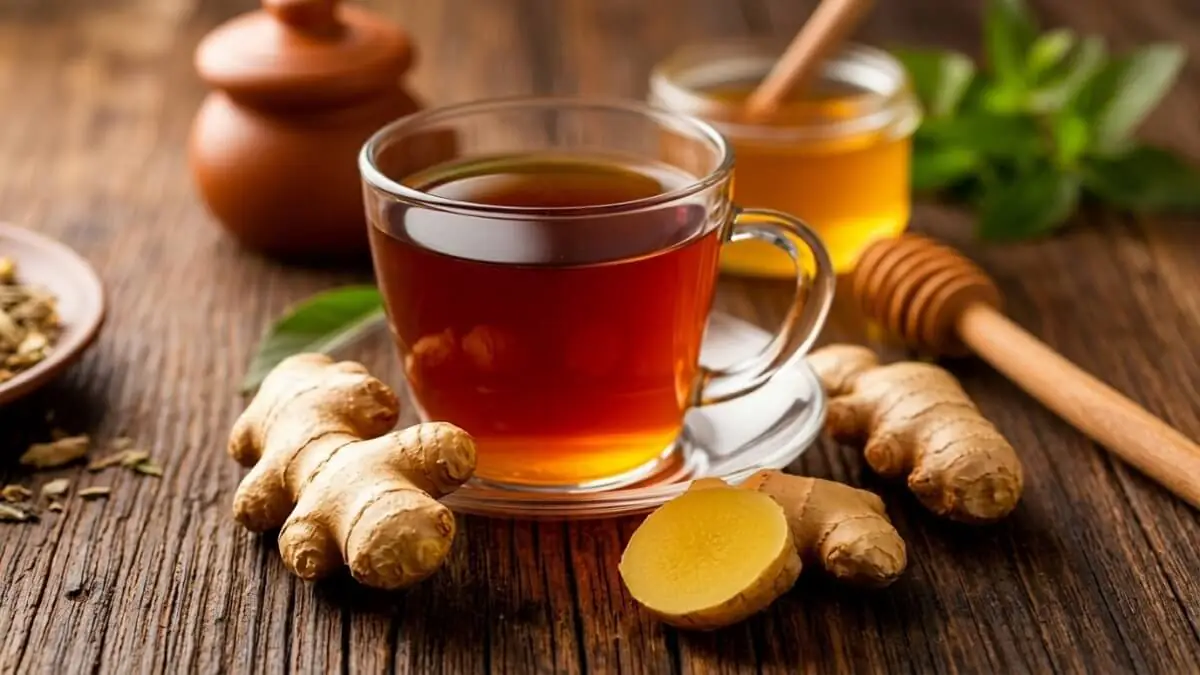
Each of us has heard of a plant called ginger at least once.
When people hear it mentioned, they often associate it with Japanese cuisine. Indeed, chefs around the world use the root as a seasoning for their masterpieces.
It also has a unique aroma, which is why perfumers widely use its extract to create fragrances.
Moreover, the plant has long been known for its beneficial properties. In Eastern countries, it is even called a cure-all and is used to treat many serious conditions.
So, how to properly prepare ginger tea at home, and what effects ginger root has—let’s look at the recipes in this article.
Health Benefits and Active Compounds of Ginger
The healing properties of ginger have long been known. It has been used as a medicine and a preventive measure against various ailments.
Ginger contains a huge number of useful components, namely:
- Ginger root actually contains only trace amounts of Vitamin A/beta-carotene; its primary protective nutrients are gingerol, shogaol, vitamin C, vitamin B6, potassium, and magnesium.
- Essential oils that have a beneficial effect on the condition of the skin and generally rejuvenate the entire body;
- Potassium, magnesium, zinc, and iron. These substances are found in the tissues of human internal organs;
- antiseptic components that disinfect mucous membranes, reduce the number of bacteria and fungi on the internal walls of organs, and also eliminate inflammatory processes within the body;
- Gingerol, which helps improve metabolic processes and normalizes lipid metabolism, which, in turn, benefits weight loss.
Severe hypothermia is a life-threatening medical emergency requiring hospital care,
Thanks to its unique properties, it not only helps warm a person quickly but also reduces the likelihood of developing the disease several times over.
Ginger also has antiemetic properties. Therefore, it is recommended for people who have difficulty traveling by air or sea.
Ginger tea helps with nervous breakdowns and depression. And when combined with other natural ingredients, it is recommended for regulating the menstrual cycle in women.
Moreover, ginger tea is indispensable for seasonal viruses and colds. Its properties not only stimulate the immune system but also provide vitamins and minerals that promote a speedy recovery.
How to Choose, Peel, and Store Fresh Ginger Root
Choose the root responsibly.
If the plant was collected incorrectly or damaged during processing, it will no longer have beneficial properties.
First, check the product’s appearance.
Ginger should have smooth skin with minimal lumps.
Ideally, it should have no damage or scratches.
Ginger tea recipes
Peel the skin off the root. Do this very carefully, using a ceramic knife, spoon, or brush.
Peel the ginger right before brewing, as prolonged exposure to open air can reduce its beneficial properties.
For this reason, you should not buy ready-made cuts from the store.
After all, in this case you will simply be drinking tasty warm water.
After processing, wrap the remaining root in cling film or place it in a plastic bag. This will prevent the product from drying out.
You can store it in the refrigerator for up to two weeks.
How to Make Classic Ginger Tea at Home
Many people believe that pouring boiling water over the finely chopped root is enough to prepare it.
But this is not true.
Boiling water strips the product of almost all its beneficial properties. So instead of a healing decoction, you’ll end up drinking tasty but unhealthy water.
To get the most benefit from ginger, prepare it according to these guidelines. The classic recipe looks like this:
- Peel the root and chop it.
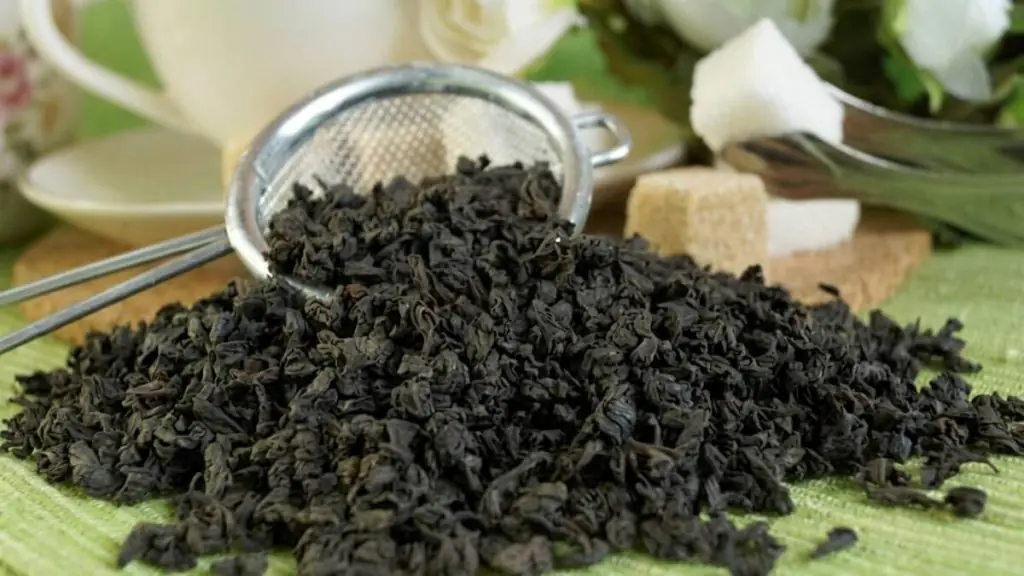
- Place the plant in a teapot and add a pinch of black or green tea leaves. This will give the infusion the desired color.
- Pour hot water over it, cover with a lid, wrap it in a towel, and leave it to brew for 15 minutes.
- Stir.
Many other recipes add ingredients to enhance the effects of ginger root.
Best Ginger Tea Recipes for Colds and Immunity
Ginger has long been known to help with colds. Many recipes exist for brewing ginger tea. You can experiment with it yourself.
Let us cite just a few.
1. Ginger and Raspberry Vitamin C Tea
Raspberries contain a large amount of vitamin C. Therefore, this drink can help address the source of the disease and quickly support improved well-being.
Add a few fresh or frozen raspberries to the prepared ginger broth.
It is not worth using jam, since it loses many of its beneficial properties during heat treatment.
Fresh berries can also be replaced with a few leaves, which also contain vitamin C.
2. Ginger and Rose Hip Immune Infusion
Rosehip has long been used as an effective cold remedy. Combined with ginger, it creates a true vitamin cocktail.
Both ingredients need to be brewed. Ginger tea takes a long time to brew, so leave the infusion in a teapot or thermos for 5-6 hours. Only after this time will it absorb enough vitamins.
3. Ginger, Honey, and Pine Nut Elixir
Finely chopped ginger should be mixed with crushed nuts, poured with a small amount of hot water, and a few spoons of honey should be added.
Let the decoction steep for 10 minutes.
Take the medicine with pine nuts.
4. Immune-Boosting Apple, Citrus, and Ginger Tea
Ginger is a very effective cold remedy that, among other things, strengthens the immune system.
To boost its effectiveness, some doctors recommend taking it with other healthy fruits.
Here is one such recipe: peeled apples, lemon, and orange zest.
Place grated ginger into just-boiling water along with the other listed ingredients and simmer over low heat for 3-5 minutes.
Remove the broth from the heat and add a little orange juice.
Serve after 5-7 minutes.
5. Brazilian Golden Milk with Ginger and Turmeric
This unique formula can eliminate the unpleasant symptoms of a viral disease in a short period of time.
To prepare the decoction, you will need ginger, turmeric, and butter.
Crush the ginger and mix it with the other ingredients until it forms a homogeneous mass.
Add half a teaspoon of this mixture to a glass of warm milk and stir. If desired, you can sweeten it slightly, but use honey instead of sugar.
Ginger Tea Recipes for Weight Loss and Digestion
As mentioned above, the spice positively affects metabolism, cleanses the body of waste and harmful toxins, and promotes fat-cell burning.
That’s why nutritionists worldwide often recommend it to patients as a weight-loss aid.
But to enhance its properties, various additional components should be added to the drink:
6. Spiced Ginger Tea with Black and Cayenne Pepper
Add a pinch of red and black pepper to the chopped ginger root, pour water over the mixture, and bring to a boil. Then simmer the infusion for 20 minutes. Take one cup 2-3 times daily.
7. Ginger and Lingonberry Leaf Infusion
Lingonberries are known to stimulate kidney function and act as a diuretic.
Mix one teaspoon of ginger root, cut into small pieces, with two tablespoons of lingonberry leaves, then pour boiling water over it.
After 20 minutes, the weight-loss product will be ready to use.
We also recommend trying the aromatic blend “Lingonberry-Ginger,” whose taste will not leave you indifferent.
8. Ginger, Walnut, and Honey Cleansing Paste
You will need walnuts, honey, and, of course, ginger.
Grind 20 walnut kernels in a blender; add 4 tablespoons of honey and 1 teaspoon of chopped ginger.
Pour hot water over the mixture and let it steep for 10-15 minutes.
Place the drink in a cool place for 24 hours.
You can take this medicine as a gruel.
In this case, you need to eat it three times a day, one tablespoon before meals, for one month.
9. Green Tea with Ginger and Cinnamon
This recipe is practically the same as others.
In addition to ginger, the composition also includes lemon and large-leaf green tea.
The only difference is cinnamon, which you add during brewing.
After preparation, take three times a day for 3 weeks.
10. Filling Green Tea with Ginger and Milk
Preparing this weight loss remedy is simple.
Add milk, a few slices of peeled root, and tea.
Place the resulting mixture over low heat and bring to a boil.
Then let the tea steep and cool.
Add a little honey to taste before serving.
This cocktail is very filling, so you will eat much less high-calorie food throughout the day.
Warming, Energizing & Iced Ginger Tea Recipes
11. Traditional Masala Ginger Milk Tea (Chai Style)
Of the many popular recipes for making a milk-ginger drink, here are two:
- You’ll need 2 tablespoons black tea leaves, 1/5 cup milk, and ginger slices. Bring the milk to a boil, then add the tea leaves and ginger. Return the tea to the heat and bring to a boil. Repeat this process several times, every 5 minutes.
- Take a 3-5 cm long root and 1.5 liters of green tea with milk. Mix the ginger with the other ingredients, then bring to a boil. Let the infusion steep for 20-30 minutes.
12. Simple Pure Ginger Warming Infusion
There’s nothing easier than making a simple ginger infusion to warm up after a winter walk.
Take one root, peel it, and chop it finely.
Place the pieces in a teapot, add hot water, and let it steep for 15-20 minutes.
That’s all.
13. Morning Energizing Ginger, Lemon, and Tea Tonic
Ginger can be a great substitute for a cup of invigorating morning coffee.
You’ll need a small piece of the root, black or green tea leaves, lemon, and honey. First, cut the root into small pieces or slices, pour it over the tea, and let it steep for 20 minutes.
Now brew the tea, add citrus, honey, and the prepared decoction.
In 15 minutes, it is ready to drink.
You can also purchase natural “Green Tea with Ginger”, the effect of which will be no worse than the “invigorating remedy” prepared at home.
14. Classic Ginger Tea with Honey and Lemon
Take half a lemon, a tablespoon of honey, and two teaspoons of ginger.
Place the finely chopped root and lemon in a teapot and add water no hotter than 90 degrees Celsius. Let steep for 15-20 minutes.
After cooling, add honey and enjoy the pleasant taste.
15. Black Ginger Tea with Currant Berries and Leaves
You will need black and red currants, a few leaves of this plant, tea leaves, and ginger root.
Pour warm water over the berries and leaves, and let it steep until the infusion turns pale pink.
Then add pre-brewed tea and finely chopped root.
After three minutes, enjoy a pleasant, unusual ginger-currant flavor.
16. Spiced Masala Decoction with Cardamom and Cloves
First, prepare the green tea: pour 1 tablespoon of tea leaves into a glass of boiling water and let it steep for 5 minutes.
Next, pour this tea over the crushed root and add more water.
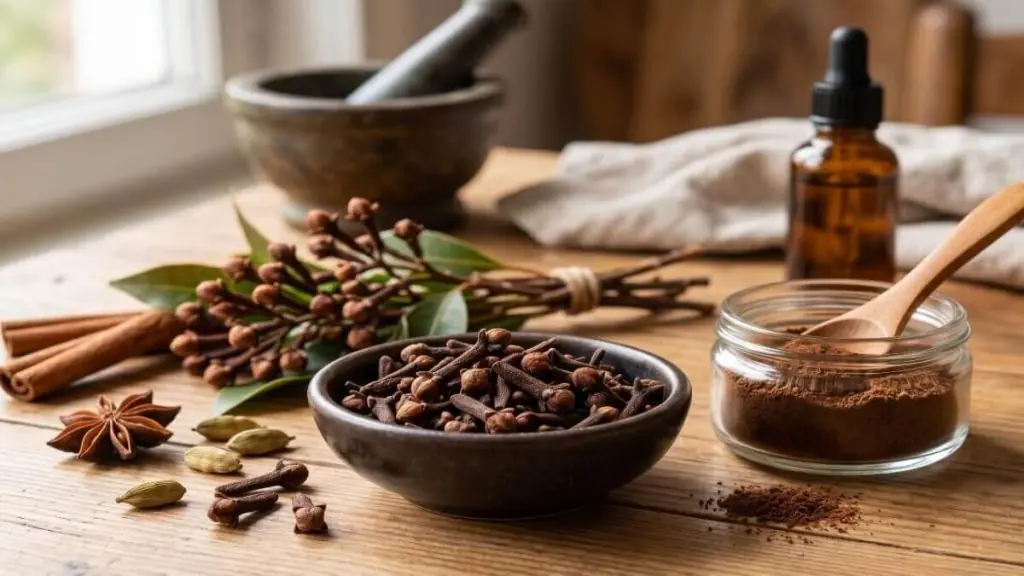
Bring everything to a boil, then add cinnamon, cardamom, and cloves, and cook for another 20 minutes.
Let it cool slightly, then enjoy.
17. Refreshing Iced Ginger, Mint, and Tarragon Tea
This infusion is very refreshing in hot, sultry weather.
To achieve a similar effect, add ginger, mint, lemon, honey, and tarragon leaves.
Take a two-liter jar, place the tarragon and mint leaves at the bottom, and add lemon slices.
Use fresh mint, since dried leaves have already lost some of their qualities.
Add the ginger and water to a pot, place it on the stove, and bring it to a boil. As soon as the infusion starts to boil, add black tea and remove it from the stove.
After a couple of minutes, strain it into a jar with mint and tarragon.
Once cooled, refrigerate for a few hours.
Before drinking this refreshing cocktail, sweeten it with a little honey if desired.
18. Bold Garlic and Ginger Immunity Infusion
Garlic imparts a piquant, sharp flavor. To prepare, take a thumb-sized piece of garlic, chop it, and mix it with about the same amount of crushed garlic.
Pour the mixture into 1 liter of hot water and let it infuse for 20 minutes.
After that, you can take it as you like.
Now you know exactly how to properly prepare ginger tea at home.
You can choose a special recipe or brew a classic drink that always delights you with its spicy taste.
But remember, overusing any product can harm your body.
Side Effects and Contraindications of Ginger Tea
While ginger is safe and beneficial for most healthy adults in moderate culinary amounts (typically 1 to 2 cups of ginger tea per day), excessive intake can cause heartburn, stomach irritation, or mild digestive upset. Avoid concentrated ginger infusions or consult your doctor first if you have:
Gallstones: Ginger stimulates bile production, which can trigger discomfort in individuals with gallstone disease.
Bleeding disorders or blood-thinning medications: High doses of ginger may interact with anticoagulants (such as warfarin or aspirin).
Active gastric ulcers or severe acid reflux: Spicy gingerols can irritate inflamed stomach linings.
Pregnancy or breastfeeding: Moderate dietary ginger is often used for mild morning sickness, but concentrated medicinal doses should be cleared with an obstetrician.
Conclusion: Enjoying Ginger Tea Responsibly
Whether you prefer a simple cup of ginger with honey and lemon, a creamy masala chai, or a chilled summer pitcher with mint and tarragon, homemade ginger tea is easy to customize to your taste. Enjoy it in sensible daily amounts using fresh, high-quality ginger root to get the best flavor and wellness benefits.