Cinnamon Tea: Health Benefits, Weight Loss Recipes, Side Effects, and Brewing Guide
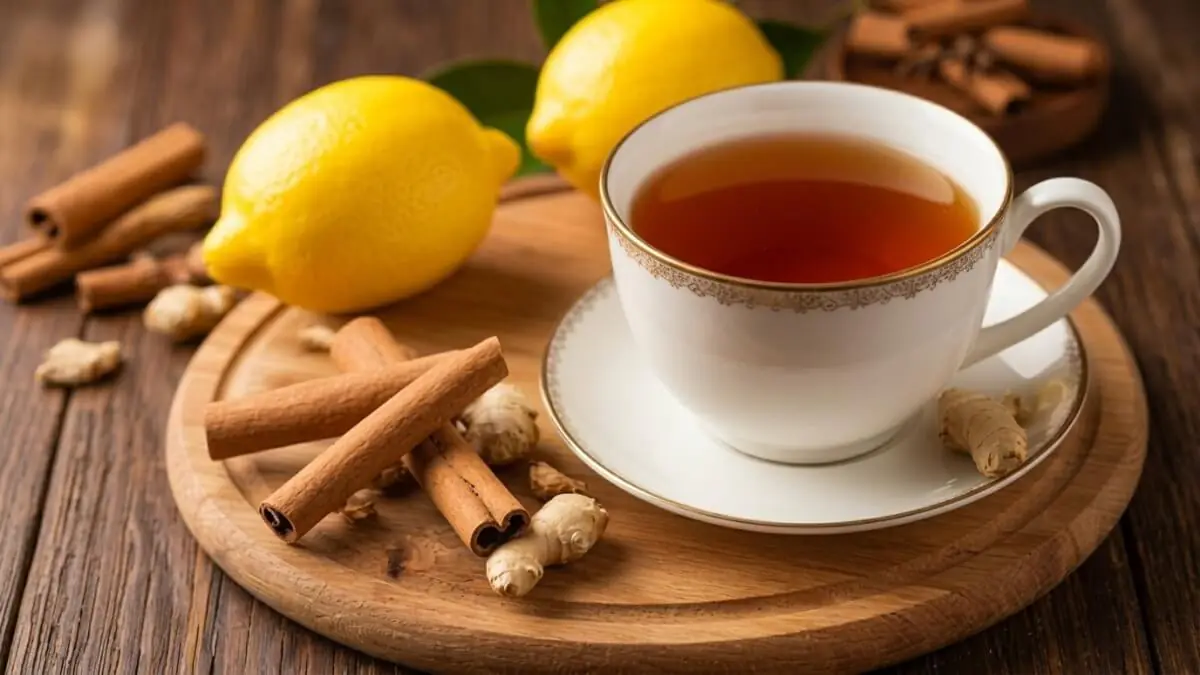
Cinnamon tea is popular for its unrivaled aroma and flavor, along with its health benefits.
In this article, we’ll share recipes for black and green tea with cinnamon and discuss how to brew and use them.
What is Cinnamon? Origins and Flavor Profile
Cinnamon is a popular spice that originates from Sri Lanka (Ceylon).
It has become well known for its ability to make any dish or drink unique, as well as its essential-oil-rich composition.
The spice comes from the bark of the Ceylon cinnamon tree and is processed specially.
The resulting cinnamon looks like a twisted tube and has an astringent, tart-sweet, slightly pungent taste and a bright aroma.
Top Health Benefits of Cinnamon Tea
- Stabilizing sugar levels—helps those with diabetes.
American scientists have shown that people who rely on insulin can reduce their blood sugar levels by 29% by drinking a cinnamon-spiked drink on an empty stomach in the morning. This is due to hydroxychalcone, a compound derived from cinnamon, which acts as an insulin mimetic, mimicking the hormone naturally produced in the blood, thereby replicating its beneficial properties.
- Positive effects on the cardiovascular system, particularly reducing cholesterol and triglycerides, which can cause plaque buildup in blood vessels and veins and lead to blockage.
- Acceleration of cellular metabolism, in simple terms, helps you lose weight.
- Significant anti-inflammatory effects help treat many colds.
- Improved brain function and the prevention of neurodegenerative diseases, including Alzheimer’s and Parkinson’s, suggest its benefits for people of all ages.
In addition, the aromatic drink has a pleasant taste and an unforgettable aroma.
How to Make Cinnamon Tea for Weight Loss
The fiber and antioxidants promote gentle cleansing of the gastrointestinal tract and help stabilize gastrointestinal function. This also significantly speeds up metabolism.
Many nutritionists recommend cinnamon.
However, a myth is that its smell stimulates appetite.
In fact, the seasoning is often used in savory baked goods, such as apple pies, strudels, and croissants.
Therefore, many people prone to obesity associate the aroma with sweets. This isn’t entirely accurate, as the aroma produced during brewing is far from sweet—it’s overpowered by other ingredients.
So, add one teaspoon of cinnamon to tea with honey or juice, and, for greater effectiveness, supplement it with ginger.
Drink the resulting mixture once every two days, immediately, in one sitting.
Before using it for dietary purposes, we recommend consulting a nutritionist and your doctor if you have any chronic diseases.
If you have an acute illness, it is better to refrain from taking it until recovery to avoid negative consequences.
It is also important to ensure you have no allergic reactions to any ingredients. If you have no allergies, you can use one of the recipes we suggest below.
Best Time to Drink Cinnamon Tea and Daily Dosage
The following guidelines should be followed:
- The best time to drink your first tea is early in the morning. Drink a glass of water immediately after waking up on an empty stomach, then have tea 10-15 minutes later. Afterward, you should avoid breakfast for half an hour.
- You can brew the drink twice, but it is recommended to use black leaves in the morning and green leaves in the evening.
Otherwise, monitor your health carefully, focusing on your blood pressure.
The amount you consume also depends on your individual needs. Typically, a special teapot or a 0.5-liter thermos is used for brewing. This is usually enough for daily intake.
Is Cinnamon Tea Safe During Pregnancy and Breastfeeding?
Pregnant women should consult their doctor before consuming any new food.
Like all natural spices, cinnamon has distinct properties that can positively or negatively affect the fetus and the expectant mother’s health, depending on the individual’s condition and personal intolerance.
Women are allowed to consume the drink subject to two main conditions:
- Moderate doses. Indulging once a week or two is perfectly acceptable, but drinking half a liter daily, as is the norm for weight loss, is strictly prohibited.
- Normal pregnancy. The spice promotes uterine contractions, which can be dangerous in the first trimester and later stages, as it can cause miscarriage or premature birth. It also harms those with hypertonicity and other conditions.
If no deviations are detected and moderate doses are observed, vitamins A, C, E, K, and B, as well as the microelements manganese, potassium, iron, zinc, and magnesium, can have a positive effect.
When feeding, it’s also important to maintain moderation and monitor your baby’s condition. Begin introducing the beverage gradually when your baby is 3 months old, not earlier. Before then, they’re not yet strong enough for new foods. Watch for any allergies; if spots appear, stop giving tea immediately.
The spice also contains coumarin, which can harm the liver. Natural Ceylon spice (also known as cinnamon) contains very little of it, while the Chinese counterfeit (made from the cassia plant) contains a lot. That is why it’s important to buy only genuine cinnamon.
Ceylon vs. Cassia: How to Choose Real Cinnamon
If you are unsure, it is best to buy cinnamon sticks and grind them yourself.
For some recipes and for aesthetic purposes, whole pieces also work, but they cost more.
When choosing a powder, pay attention to its color.
Real cinnamon has a light, sandy color, while the Chinese fake is dark brown.
You can also conduct a simple test. Add regular medical iodine: cinnamon turns a pale bluish tint, while the cheaper alternative retains its rich color.
11 Best Cinnamon Tea Recipes (Black, Green & Herbal Blends)
Let’s imagine several combinations.
1. Classic Black Tea with Cinnamon
For one teapot (0.5 liters), add half a teaspoon of cinnamon powder when brewing.
The main challenge is finding the right ingredients and knowing how to prepare them.
Here are some recommendations:
- The water should be soft—spring, artesian, or regular tap water will do—but it should have undergone multi-stage purification. Impurities can prevent the tea leaves from fully releasing their beneficial properties and flavor.
- The appropriate temperature is 90 degrees— a couple of minutes before boiling.
- The most suitable teapot is porcelain or earthenware. Before adding the ingredients, pour in boiling water.
- First, fill only ⅓ of the pot, let the leaves open and swell, then after 2-3 minutes, fill the rest and add cinnamon powder.
2. Spiced Cinnamon and Ginger Tea
We recommend using whole sticks and ginger root.
Crush the first in a mortar immediately before brewing—this way, you preserve the essential oils.
Peel and finely chop the second with a knife; press the pulp with the flat side to squeeze out the aromatic liquid.
Along with tea leaves, add the resulting mixture to water heated to 80-90 degrees.
After the tea has steeped completely (5-7 minutes), you can add lemon zest, a spoonful of honey, or dried fruit if desired.
3. Refreshing Cinnamon and Lemon Tea
This fruit is rich in vitamins and appeals with its sourness and unique aroma.
Both the pulp and the zest are suitable for brewing; however, the zest is bitter.
If you add the slices along with the peel, wash them thoroughly to remove any wax used to treat the fruit.
The recipe for brewing tea with cinnamon sticks and lemon juice is simple: squeeze half a lemon into the prepared drink; this is enough for half a liter.
You can drink it hot or chilled, with ice, which is especially useful in the summer heat. Before drinking, strain the infusion through a sieve or clean cheesecloth.
It is recommended to crush the cinnamon stick itself in a mortar.
4. Green Tea with Cinnamon
Green tea follows the same guidelines as black tea, including pre-treating the teaware and selecting spring water. However, the temperature should be lower—between 80 and 85 degrees Celsius. If you don’t have a thermometer, let the teapot cool slightly for 2-3 minutes.
After 1.5-2 minutes of brewing, pour the contents into mugs, then add water to the remaining tea leaves with a pinch of cinnamon (up to 5 times).
This ensures an unparalleled aroma and preserves all the healing properties. You can also add a slice of lemon and a little warm milk to the cup.
5. Pineapple, Mint, and Cinnamon Tea
This drink helps curb hunger and sweet cravings, making it ideal for dieters and those who avoid sweets. For one glass of water, you’ll need:
- Half a teaspoon of cinnamon powder.
- A spoonful of green leaf tea.
- Juice from two circles of ripe pineapple.
- A few fresh mint leaves.
6. Creamy Cinnamon Tea with Milk
The English prefer this method because it gives the drink a softer taste.
For best results, brew the leaves according to standard brewing instructions, and only then pour into cups. Add warm milk to taste (to prevent curdling), and add a cinnamon stick directly into the glass. This is not only delicious and healthy, but also aesthetically pleasing.
Another method requires warmed, baked milk. Pour it in a thin stream into the bottom of the cup, then add green tea with cinnamon from a teapot.
The peculiarity is that you must pre-warm the mug by rinsing it with boiling water.
7. Warming Cinnamon and Turmeric Tea
Another spice that has ginger notes and a black pepper aroma.
The resulting infusion is very spicy, rich, and even slightly pungent. The preparation method is the same as the classic version.
It is believed that the root vegetable is very useful for people over 50.
8. Cinnamon and Bay Leaf Infusion
There are only two ingredients: 5 bay leaves and one cinnamon stick. Place everything in an enamel saucepan and cover with water. Bring to a boil, then simmer for no more than 5 minutes. Then let it steep until the saucepan cools. Drink the “infusion” chilled and strained, one small shot three times a day.
9. Whole Cinnamon Stick Decoction
In a separate container, boil water with one stick added. Unlike powder, it cannot be counterfeited.
When the liquid turns light brown, pour it over the tea leaves in the teapot.
10. Cinnamon Tea in a Thermos (On-the-Go Recipe)
The most convenient option for taking a drink on the road or to work.
Pour the ingredients into a container in standard proportions, then fill it with water at 80-90 degrees.
11. Spiced Apple and Cinnamon Tea
This classic combination is used in cooking.
The procedure is very simple. Steep the tea leaves according to the instructions above. During these 5-7 minutes, finely dice two sweet and sour apples after peeling and seeding them.
Place the fruit in cups filled with boiled water, add a cinnamon stick, and then pour the infusion from the teapot over everything. Then add honey and lemon to taste.
Exact Cinnamon Tea Proportions for Weight Loss
Let’s look at the proportions of the classic drink:
- water – 0.5 liters;
- tea leaves – 5-7 g;
- cinnamon powder – ½ teaspoon.
Side Effects and Contraindications: Who Should Avoid Cinnamon Tea?
Like any spice, Ceylon cinnamon has limitations.
First, it is prohibited for those with personal intolerance or allergies.
Who should be wary:
- Children under three years old. During this period, the body, including the gastrointestinal system, is developing. Therefore, it’s best not to give children unnecessary irritants; it’s more appropriate to introduce them into their daily diet from age three.
- Pregnant women. The main adverse effect the substance may have is uterine contractions. In early pregnancy, this may trigger miscarriage or hypertonicity.
- Elderly. Most active ingredients affect all functions, including the liver. In small doses, this may cause minor harm, but frequent use is highly undesirable.
- In case of liver failure, for the above reasons.
- For chronic cardiovascular diseases—only after consulting a doctor.
- When taking heart medications.
Conclusion: Enjoying Cinnamon Tea Safely
In this article, we discussed whether you can add cinnamon to tea and how best to do so. We recommend drinking the beverage in moderation and only with high-quality ingredients.