
The Power of Mustard Seeds: Benefits, Uses, and Nutritio
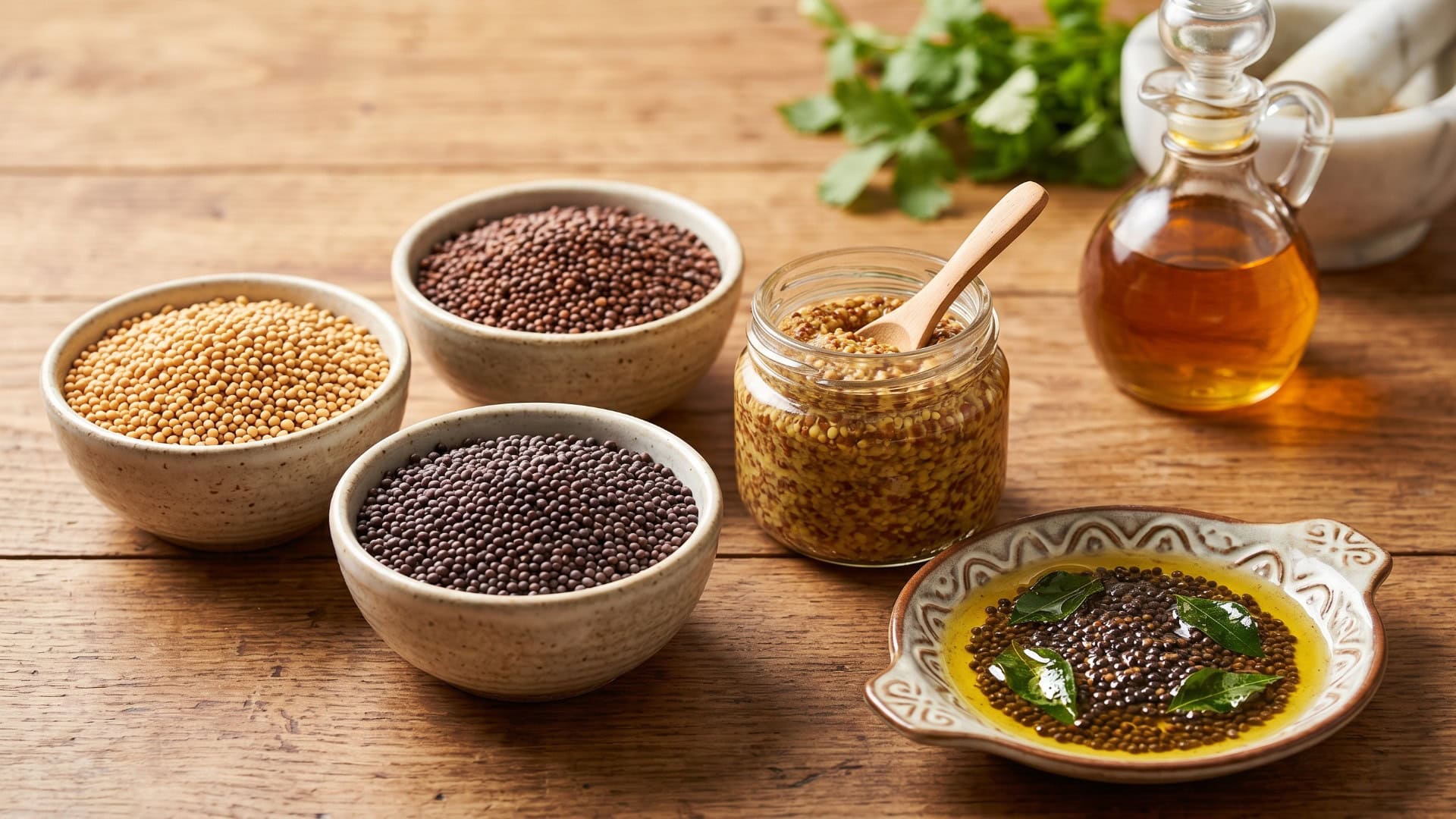
Welcome to your comprehensive guide on one of the culinary world’s most underestimated powerhouses: the mustard seed! Whether you know it as the base of that bright yellow condiment on your favorite hot dog, or as the popping, aromatic spice essential to countless global cuisines, these tiny seeds pack a massive punch.
In this post, we are going to dive deep into the fascinating world of mustard seeds. We will explore their rich nutritional profile, their science-backed health benefits, how to use them to elevate your cooking, and even some traditional wellness practices. Grab a cup of tea (or maybe a warm pretzel!), get comfortable, and let’s explore the power of mustard seeds together.
A Brief History: More Than Just a Condiment
Long before they were squeezed out of plastic bottles at summer barbecues, mustard seeds were highly valued by ancient civilizations. The Romans are often credited with being the first to experiment with mustard as a condiment, mixing unfermented grape juice (must) with ground mustard seeds to create a fiery paste known as mustum ardens (burning must).
From Europe to Asia, mustard has been celebrated not just for its bold, pungent flavor, but for its medicinal properties. Historically, folks from various cultures used these seeds to soothe aching muscles, relieve congestion, and add warmth to the body during harsh winters. Today, we understand the science behind why our ancestors loved these tiny seeds so much.
The Three Main Types of Mustard Seeds
Before we talk about the benefits, it is helpful to know that not all mustard seeds are the same. They generally come in three distinct varieties, each offering a unique flavor profile and culinary purpose:
1. Yellow (or White) Mustard Seeds (Sinapis alba)
- Appearance: Light beige or pale yellow.
- Flavor Profile: Mild, slightly sweet, and tangy with a very gentle heat.
- Best Uses: This is the primary ingredient in classic American yellow mustard. It is fantastic for pickling, canning, and making mild marinades.
2. Brown Mustard Seeds (Brassica juncea)
- Appearance: Dark brown, sometimes with a slightly reddish hue.
- Flavor Profile: Pungent, sharp, and earthy. The heat is much more pronounced than the yellow variety.
- Best Uses: Found frequently in European mustards (like Dijon) and extensively in Indian and Asian cooking. They are perfect for curries and robust meat rubs.
3. Black Mustard Seeds (Brassica nigra)
- Appearance: Very dark brown to black.
- Flavor Profile: The most pungent, intense, and spicy of the three.
- Best Uses: A staple in South Asian cuisine, particularly in tadka (tempering), where they are fried in hot oil or ghee to release an incredibly nutty, complex flavor before being poured over lentils or vegetables.
The Nutritional Profile: Tiny But Mighty
Do not let their small size fool you. Mustard seeds are incredibly dense in nutrients. They are an excellent source of essential minerals, vitamins, and healthy fats that support overall wellbeing.
Here is a breakdown of the nutritional value you can find in just one tablespoon (about 11 grams) of mustard seeds:
- Calories: 52
- Protein: 2.9 grams
- Fat: 4 grams (primarily heart-healthy monounsaturated and polyunsaturated fats)
- Carbohydrates: 3.1 grams
- Dietary Fiber: 1.3 grams
Essential Vitamins and Minerals
Mustard seeds are particularly rich in a few standout nutrients:
- Selenium: A crucial trace mineral that plays a major role in thyroid hormone metabolism, DNA synthesis, and protection from oxidative damage and infection.
- Magnesium: Essential for muscle and nerve function, blood sugar control, and bone health.
- Phosphorus: Important for the formation of bones and teeth, as well as how the body uses carbohydrates and fats.
- Manganese: Plays a role in fat and carbohydrate metabolism, calcium absorption, and blood sugar regulation.
For more detailed, scientific data on food nutrition, you can always check the USDA FoodData Central database.
The Top Health Benefits of Mustard Seeds
Now that we know what is inside these little spheres, let’s talk about what they can actually do for your body. Incorporating mustard seeds into your diet can support your health in several wonderful ways.
1. Powerful Antioxidant Properties
Mustard seeds are rich in a group of plant compounds called glucosinolates. When you bite into a mustard seed, or when it is crushed or chopped, an enzyme called myrosinase is activated. This enzyme converts glucosinolates into isothiocyanates.
Isothiocyanates are powerful antioxidants that help protect your body’s cells against damage from free radicals. High levels of free radicals are linked to chronic conditions, including heart disease and certain cancers.
2. Supports Heart Health
The fats found in mustard seeds are predominantly healthy fats—specifically omega-3 fatty acids. Omega-3s are renowned for their ability to help lower inflammation in the body and support cardiovascular health. Furthermore, the magnesium content in the seeds helps maintain a steady heartbeat and relaxed blood vessels, which can contribute to healthy blood pressure levels.
3. May Help Regulate Blood Sugar
Emerging research suggests that regular consumption of mustard seeds, or their derivatives, might be beneficial for individuals looking to manage their blood sugar levels. While they aren’t a replacement for medical treatments, the fiber and unique plant compounds in the seeds can help slow the absorption of sugar into the bloodstream, preventing sharp spikes after meals.
4. Aids in Digestion
If you ever feel bloated or sluggish after a heavy meal, mustard seeds might be your new best friend. The dietary fiber in the seeds promotes regular bowel movements and supports a healthy digestive tract. Additionally, the pungent nature of mustard is known to stimulate the production of saliva and digestive juices, helping your body break down food more efficiently.
5. Skin and Hair Nourishment
Beyond internal health, mustard is fantastic for external beauty! The seeds, particularly when pressed into mustard oil, are rich in Vitamin A, Vitamin E, and omega-3 fatty acids. These nutrients are deeply hydrating and can strengthen hair follicles, promote hair growth, and keep the skin looking vibrant and youthful.
(Note: You can learn more about the role of antioxidants and nutrition in overall health via reputable sources like the National Institutes of Health (NIH).)
Culinary Uses: Bringing the Flavor to Your Kitchen
One of the best things about mustard seeds is their incredible versatility. They can be used whole, ground into a powder, or processed into oil. Here are some of the best ways to incorporate them into your daily cooking:
The Magic of Tempering (Tadka)
If you enjoy Indian cuisine, you have likely tasted tempered mustard seeds. To do this:
- Heat a tablespoon of cooking oil or ghee in a small pan until it is hot but not smoking.
- Toss in a teaspoon of black or brown mustard seeds.
- Within seconds, they will begin to pop and crackle (have a lid handy!).
- Once the popping subsides, pour the fragrant oil and seeds over roasted vegetables, a pot of lentil soup (dal), or into a potato salad. The flavor transforms from bitter to incredibly nutty and savory.
Pickling and Preserving
Whole yellow and brown mustard seeds are absolute staples in pickling spice blends. Whether you are making homemade dill pickles, pickled red onions, or preserving summer vegetables, adding a teaspoon of whole mustard seeds to the brine adds a beautiful, tangy complexity that develops over time.
Homemade Mustard Condiment
Why buy it when you can make it? Making your own mustard is surprisingly easy and allows you to control the ingredients and sodium levels.
- Basic Recipe: Soak equal parts yellow and brown mustard seeds in a mixture of water and apple cider vinegar overnight. The next day, blend the mixture with a pinch of salt, a dash of turmeric (for color), and a little honey or maple syrup if you like it sweet. You’ll have a gorgeous, rustic, whole-grain mustard!
Spice Rubs and Marinades
Grinding mustard seeds in a spice grinder or mortar and pestle yields fresh mustard powder. This powder is fantastic in dry rubs for tofu, chicken, or fish. It also acts as an excellent emulsifier in salad dressings—just a pinch of mustard powder will help the oil and vinegar in your vinaigrette stay beautifully mixed together.
Beyond the Kitchen: Traditional Wellness Uses
Mustard has a long history of being used in folk medicine and traditional wellness practices. While modern medicine has advanced, some of these home remedies are still beloved by many for their soothing properties.
The Traditional Mustard Plaster
Before the days of modern decongestants, a “mustard plaster” was a common remedy for chest congestion and coughs. It involved making a paste of ground mustard seeds, flour, and water, spreading it on a cloth, and applying it to the chest. The warming nature of the mustard increases blood circulation to the area, which many people find comforting.
Safety Note: Mustard plasters can cause chemical burns if the paste is applied directly to the skin or left on too long. If you try this traditional remedy, always use a thick cloth barrier and remove it if the skin feels too hot.
Mustard Oil Massages
In many South Asian cultures, mustard oil is gently warmed and used for therapeutic body massages. It is particularly popular during cold weather to help warm the body, stimulate circulation, and soothe sore, tired muscles.
Foot Soaks
If you spend all day on your feet, try adding a tablespoon of ground mustard seeds to a basin of warm water. Soaking your feet in this mixture can help reduce swelling, ease aches, and wash away the tension of the day.
Safety, Precautions, and Inclusivity
Mustard seeds are generally incredibly safe and beneficial for the vast majority of people when consumed in normal food amounts. However, everybody’s body is different, and it is important to be aware of a few things:
- Allergies: Mustard is considered a major food allergen in several countries (including the UK and Canada). Mustard allergies can range from mild to severe. If you are serving food with hidden mustard (like in a salad dressing or marinade), it is always a kind and inclusive practice to let your guests know what ingredients are in the dish.
- Goitrogens: Like other cruciferous vegetables (broccoli, cabbage), raw mustard seeds contain substances called goitrogens, which can interfere with thyroid function if consumed in massive, unrealistic quantities. Cooking or tempering the seeds generally neutralizes these compounds. If you have a thyroid condition, enjoying mustard seeds as a normal spice is perfectly fine, but consult your doctor if you have concerns.
- Skin Sensitivity: As mentioned with mustard plasters, mustard powder and oil can be highly irritating to sensitive skin. Always do a patch test before applying mustard oil to large areas of your body.
Frequently Asked Questions (FAQ)
To wrap up our ultimate guide, let’s answer some of the most common questions folks have about mustard seeds!
1. Do mustard seeds go bad?
Like most dried spices, whole mustard seeds do not “spoil” in a way that will make you sick, but they do lose their flavor and potency over time. Stored in an airtight container in a cool, dark place (like a pantry cabinet), whole seeds will easily last for 3 to 4 years. Ground mustard powder loses its kick much faster and should be used within 1 to 2 years.
2. Can I eat mustard seeds raw?
You can, but you probably won’t enjoy the experience! Raw mustard seeds are very hard and quite bitter. Their true flavor—whether pungent, spicy, or nutty—is unlocked through crushing, grinding, soaking in liquid, or blooming them in hot oil.
3. What is the difference between dry mustard powder and prepared mustard?
Dry mustard powder is simply ground mustard seeds. Prepared mustard is the wet condiment you buy in a bottle or jar (like Dijon or yellow mustard). Prepared mustard is made by mixing the dry powder or whole seeds with a liquid like water, vinegar, wine, or lemon juice, plus salt and other spices.
4. Are mustard seeds good for weight management?
Mustard seeds can be a great addition to a balanced diet aimed at weight management. They are low in calories but rich in flavor, meaning you can make your food taste amazing without adding heavy, calorie-dense sauces. Plus, the fiber content helps keep you feeling satisfied.
5. Can I grow my own mustard seeds?
Absolutely! Mustard plants are actually quite easy to grow and are related to broccoli and kale. They grow quickly in cooler weather. You can harvest the young mustard greens to eat in salads (they are delicious and peppery!), or let the plant bolt and flower. Once the seed pods dry on the plant, you can harvest your very own mustard seeds!
Conclusion
From their rich history to their impressive nutritional profile, mustard seeds are undeniably a kitchen essential that deserves a front-row seat in your spice cabinet. Whether you are tempering black seeds for a comforting bowl of dal, whisking dry mustard into a vinaigrette, or experimenting with making your own whole-grain condiment, the power of mustard seeds can transform your cooking and support your well-being.


