
How to Stay Motivated When You Are Stuck: The Ultimate Guide
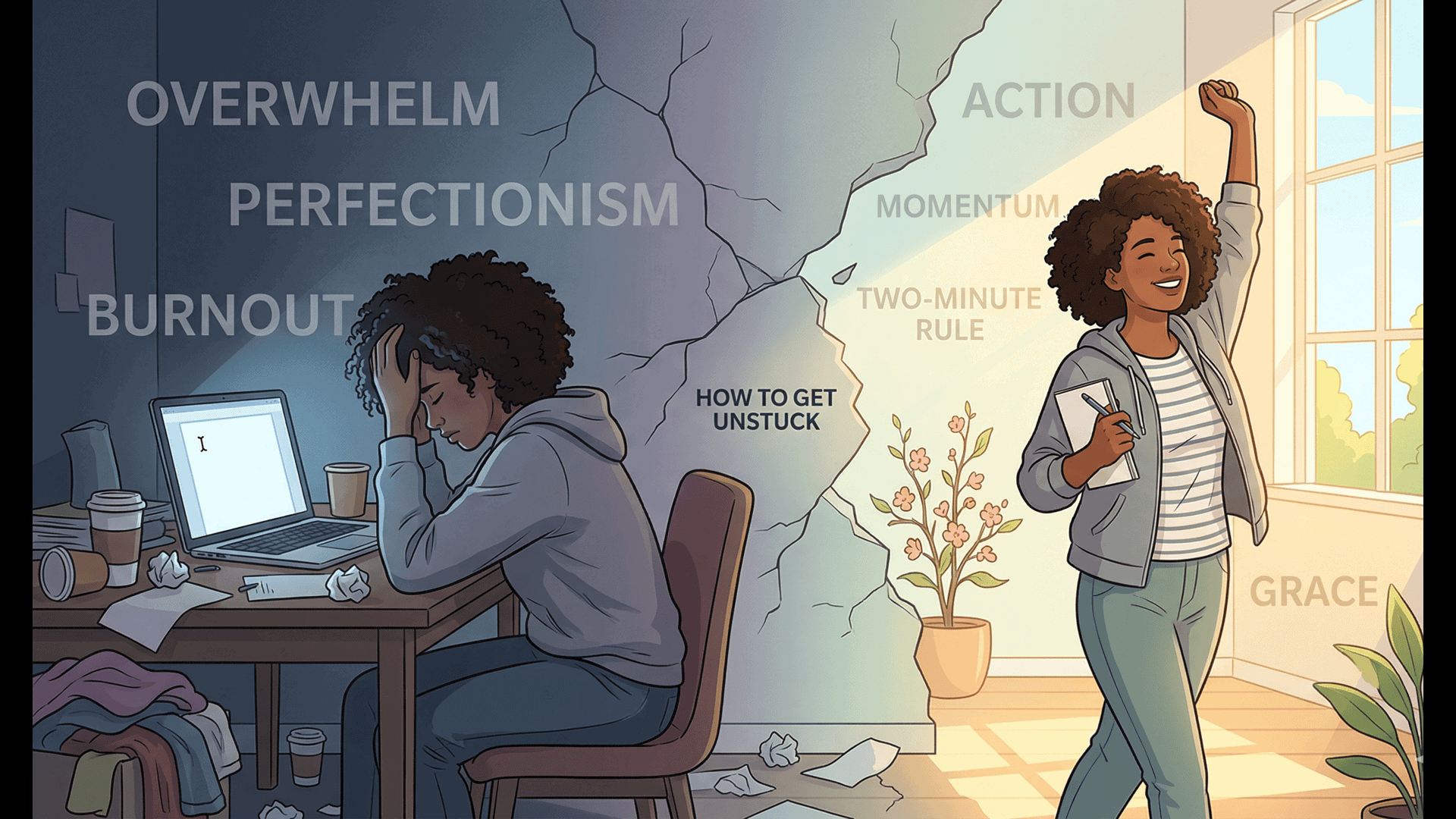
We all experience the feeling of being stuck at some point in our lives. It is a state where it feels like the path forward is completely blocked. You are not alone in facing this situation. Even the most successful people in the world have moments when they do not know what to do next.
Feeling stuck does not mean you lack ability or talent. It is actually a very normal human experience. Our brains and bodies sometimes send us signals that we need to rest. This feeling is really an opportunity that helps us rethink our approach.
Knowing how to stay motivated when you are stuck is incredibly important. It does not work like magic. Instead, it is a combination of small and consistent steps. This guide will walk you through those steps in detail.
What It Really Means to Feel Unmotivated
Feeling unmotivated does not mean you are lazy or lack goals. It is essentially a temporary shortage of mental and physical energy. When we work for long periods without a break, our brains simply get tired.
According to psychologists, a lack of motivation often acts as a warning signal from our subconscious mind. It tries to tell us that we might need to make some changes to our current path.
Sometimes it means we have drifted away from our core purpose. Therefore, instead of viewing this feeling negatively, we should see it as a chance for self-evaluation.
Common Causes of Losing Motivation
There are specific reasons why we lose our momentum at work. Identifying these causes makes solving the problem much easier. Below are some common reasons.
Burnout and Mental Fatigue
Burnout or extreme mental exhaustion is one of the leading causes of lost motivation. When we take on more pressure than we can handle, both our body and mind rebel. The World Health Organization (WHO) has recognized burnout as a legitimate occupational phenomenon.
Mental fatigue affects not just your work but your personal life as well. It can completely destroy your creativity and your desire to try new things. Getting out of this state is difficult without getting adequate rest.
Lack of Clear Direction
It is very natural to lose interest in working if you are not clear on what you want to achieve. A lack of clear direction creates confusion in our minds. When the destination is unknown, the journey is rarely enjoyable.
A lack of planning pulls us away from our goals. If you wake up every morning not knowing what your main task is for the day, you will easily get stuck.
Fear of Failure or Change
We often avoid starting a task because we are afraid we will fail. This fear traps us in our current situation. Trying something new means stepping out of your comfort zone, which many people do not like to do.
The fear of change hinders our creativity. We often think that no matter how bad our current situation is, at least it is familiar. This mindset prevents us from moving forward.
The Pressure of Too Many Goals
Setting too many goals at once is another major reason for losing motivation. We frequently think that tackling many tasks at once will lead to faster success. In reality, it just increases our mental stress.
When you have too many tasks in front of you, your brain suffers from decision fatigue. You waste a lot of time and energy just thinking about which task to start first. As a result, no work gets done in the end.
The Truth About Motivation
We have some misconceptions about motivation. Many of us think that motivation will magically fall from the sky and then we will start working. The reality is entirely different. Understanding the real science of motivation is crucial for us.
Why Motivation Comes After Action, Not Before
A very common misconception is that we need to be motivated first in order to work. Psychological research has shown that motivation actually arrives after we start working. Action or movement is the true source of motivation.
According to the Harvard Business Review, the feeling of completing a small task releases dopamine in our brains. This dopamine gives us the energy to tackle the next task. Therefore, the best strategy is to start working instead of waiting for motivation to strike.
How Discipline Supports Long Term Progress
Motivation is a temporary emotion. It is here today and gone tomorrow. Discipline, however, is a habit that lasts. When you have absolutely no desire to work, discipline is what forces you to keep going.
Successful people do not rely on motivation. They rely on their daily routines and discipline. Discipline means keeping the promises you make to yourself regardless of the circumstances.
1. Acknowledge Where You Are Without Any Judgment
The first step to finding your lost rhythm is to accept your current situation. Stop blaming yourself. You are stuck, and that is a reality with no shame attached to it.
Honestly Accepting Your Current Situation
Being honest with yourself is very important. If you deny that you are stuck, you will never find a solution. Grab a journal and write down exactly how you are feeling right now.
Do not suppress your emotions. Give yourself the space to express whatever fatigue, frustration, or anger you feel. This acknowledgment will lighten your mental load.
Letting Go of Guilt and Pressure
Get rid of thoughts like “I should have done better” or “I am wasting time.” Guilt drains whatever little energy you have left. Learn to forgive yourself.
Remember that needing rest is not a crime. Putting extra pressure on yourself will only make things worse. Be kind to yourself and give yourself some time.
2. Break Everything Down into Small, Manageable Steps
It is normal to feel intimidated when looking at a massive project or goal. The best way to eliminate this fear is to break the task down into tiny pieces. When a task is small, it feels much easier to accomplish.
Why Creating Small Tasks Builds Momentum
When you divide a large task into 10 smaller ones, completing each small task feels like a victory. These small wins provide you with the momentum to keep moving forward.
Psychologists call these “micro-steps.” If you want to write a book, do not think about the entire book. Think only about writing one single page today.
Using Micro Goals to Restart Progress
Set a very tiny goal to break out of your current slump. For example, if you need to clean your house, do not think about cleaning the whole place. Just decide to organize your study desk.
Once this micro goal is met, you will find that you have built up the desire to do a little more. This is exactly how small steps initiate massive changes.
3. Focus on One Thing at a Time
Modern life encourages us to juggle many tasks or multitask. Multitasking actually destroys our focus and lowers the quality of our work.
Eliminating Overwhelm Through Simplicity
Everything around you feels very complicated when you are stuck. To reduce this complexity, make your to-do list as short as possible. Pick only the most urgent tasks for today.
Forget about everything else for now. This simplification will lift a massive burden off your brain.
Choosing Your Most Important Priority
Ask yourself: “If I could only accomplish one thing today, which task would have the biggest impact?” Give that single task your highest priority.
Focus all your attention entirely on that task. Do not let any other thoughts enter your mind. Finishing this one task will help you regain your lost confidence.
4. Create a Simple Daily Routine
Chaos increases our mental stress. A beautiful and simple routine can bring order and peace back into our lives. Having a routine does not mean you have to act like a robot.
Creating Structure When Life Feels Chaotic
A routine provides a nice structure for our day. It is good to have a general plan for when you will wake up, when you will eat, and when you will work. This frees our brains from decision fatigue.
When you have a structure, you do not have to wonder what to do next. You can simply follow the routine and keep moving.
Using Routines to Restore Stability
Create a very simple routine for your mornings. Things like drinking a glass of water right after waking up, going for a short walk, or meditating. These small actions will give your day a positive start.
Follow a relaxing routine at night to help you get good sleep. Routines create a sense of stability and security in our lives.
5. Take Action Before You Feel Ready
We often think we will start working once we are fully ready. Truthfully, the time when you feel completely prepared never actually arrives.
Why Waiting Keeps You Stuck
Waiting is a trap. The longer you wait, the more your fears and doubts will grow. Let go of the desire for perfectionism.
Accept that mistakes will happen and start working anyway. The experience you gain through taking action will help you perform better later on.
Building Confidence Through Physical Action
Do not just sit and think; engage physically with the work. When your body moves, your mind follows. A small physical action can completely shift your mental state.
You can try the 5-second rule. When you think of a task you need to do, count from 1 to 5 and immediately get up to start doing it. This is a brilliant technique to break through laziness.
6. Change Your Environment to Reset Your Mindset
Your surrounding environment directly impacts your mindset. A cluttered and suffocating space can make you feel even more depressed and stuck.
Removing Distractions and Negative Triggers
Clear out anything from your workspace that ruins your focus. Keep your mobile phone away. Organize unnecessary papers and throw away the trash.
Temporarily distance yourself from people or situations that trigger negative thoughts. A quiet and clean environment will immediately boost your working speed.
Surrounding Yourself with Positive Cues
Keep items on your desk that inspire you. This could be your favorite quote, a beautiful picture, or a small plant.
Decorate your workspace in a way that makes you want to work the moment you sit there. Ensure there is good airflow and lighting. A fresh environment can birth fresh ideas in your mind.
7. Reconnect with Your Purpose
Sometimes we work so hard that we forget why we even started in the first place. You need to reconnect with that original reason or purpose.
Remembering Your “Why”
Remind yourself why you chose this path. What were the passions and dreams behind it? Think about the larger goals you have for your life.
If your “why” is strong enough, you can overcome any obstacle. Your purpose will give you the strength to fight through the hardest times.
Setting Meaningful Long Term Goals Again
If your old goals no longer inspire you, set new ones. Your goals should be things that align with your current values.
Be realistic when setting these goals. Choose something that is truly meaningful to you and that will excite you to wake up every morning.
8. Celebrate Small Wins
We often wait only for massive successes and completely ignore our daily, minor achievements. It is critical to change this habit.
Reinforcing Positive Progress
Pat yourself on the back after completing every small task. Just finishing the minor chores you scheduled for today is a massive achievement.
This celebration proves to your brain that you are moving forward. It boosts your confidence and keeps you in a positive frame of mind.
Building Momentum Through Success
Success breeds more success. When you succeed at a small task, your brain starts believing that you can succeed at the bigger ones too.
Write down everything you accomplished today in a notebook before going to bed. This list will serve as an incredible source of motivation for you tomorrow.
9. Take Care of Your Physical and Mental Energy
If your body is exhausted, your mind simply cannot find motivation. A healthy body and mind are the true foundations of all success.
Sleep, Nutrition, and Physical Activity
Getting enough sleep is absolutely essential. Try to sleep for at least 7 to 8 hours every night. According to research from the Mayo Clinic, good sleep improves brain function significantly.
Eat nutritious food and drink plenty of water. Exercise or walk for at least 30 minutes every day. Physical activity releases endorphins which keep our moods elevated.
Reducing Stress to Improve Motivation
You can practice meditation to lower your stress levels. Deep breathing exercises will also help calm your nervous system.
Spend time close to nature. Read a book or listen to your favorite music. Making time for yourself is not a luxury; it is an absolute necessity.
10. Talk to Someone You Trust
Sometimes it is just not possible to solve our own problems by ourselves. Reaching out for help from someone else can be highly effective during these times.
The Power of Support and Encouragement
Share your feelings with a friend, family member, or mentor. They might be able to offer you advice that you had never even considered.
Just opening up and talking will make you feel significantly lighter. The support of another person will free you from the feeling of being completely alone.
Gaining Perspective from Others
Other people’s perspectives help us think in new ways. Because they are looking at your situation from the outside, they can often provide very clear direction.
Do not hesitate to seek help from a professional counselor or therapist if you need it. They can help you solve your problems using proven scientific methods.
Common Mistakes When Trying to Get Motivated Again
When we try to get back into our working rhythm, we often make unconscious mistakes. These mistakes push us even further back. Below are some common errors to avoid.
Waiting for Inspiration
The biggest mistake is sitting passively while waiting for inspiration. Inspiration will not come to you on its own. You have to go find it through taking action.
Trying to Do Too Much Too Fast
To make up for lost time, we often take on too much pressure all at once. While this might feel productive temporarily, it leads straight back to burnout very quickly. Slow and steady progress is much more effective.
Comparing Yourself to Others
Comparing yourself to others after seeing their successes on social media is a toxic habit. Everyone’s journey is different. Do not judge your reality based on the highlight reels of other people’s lives. Stay true to your own path.
How Long It Takes to Get Motivation Back
This is a very common question, but there is no specific answer. It entirely depends on how mentally exhausted you are and what your unique situation looks like.
For some people, resting for a few days is enough to get back to work. For others, it might take several weeks or even months.
The most important thing is to be patient with yourself. Do not rush. Respect the process and just keep taking tiny steps.
Daily Habits That Keep You Moving Forward
Practicing a few good habits every day will prevent you from getting stuck so easily in the future. Try making a brief plan every single morning.
Take short breaks while you work. Give yourself at least 10 minutes every day to sit quietly and self-reflect. These small habits bring about massive changes over the long term.
Frequently Asked Questions About Motivation
Is it normal to feel unmotivated for a long time?
Yes, it is completely normal. This can happen due to major life changes, chronic stress, or extreme boredom. However, if it severely impacts your daily life, you should consider seeking professional help.
How can I get motivated quickly?
There is no magic trick to get motivated instantly. The most effective method is to start with a ridiculously small task. Just sitting at your desk or drafting a single email works. This small action will give you the momentum needed for the next task.
Can motivation be built like a skill?
You cannot directly build motivation, but you can build a skill called “discipline.” If you have the habit of discipline, you will be able to keep working even when motivation is absent. Changing your environment and creating routines help build this crucial skill.
What if absolutely nothing works?
If no method is working for you, it means you need complete rest. Step completely away from your work for a few days. If your condition still does not improve after that, consulting a therapist or mental health professional is the smartest decision you can make.
Conclusion: Momentum Comes from Small, Consistent Actions
The journey to break out of a rut is not easy, but it is certainly not impossible. Remember that taking small, consistent steps is much more fruitful than trying to make one giant leap.
Accept where you are right now, forgive yourself, and then take one very small step forward. Follow your routine, get adequate rest, and keep your workspace clean.
Motivation is like a river. Sometimes the current is very strong, and other times it goes completely still. If you just keep doing your work, that current will eventually return.
Final thought: You are not stuck; you are mid-chapter. This pause is simply preparation for a beautiful and successful journey ahead. Be patient and believe in yourself. Apply these methods and slowly reclaim your lost rhythm.