The Complete Guide to Ginger: Science-Backed Benefits, Safety Tips, and How to Use It
What is Ginger? Origins and Cultivation
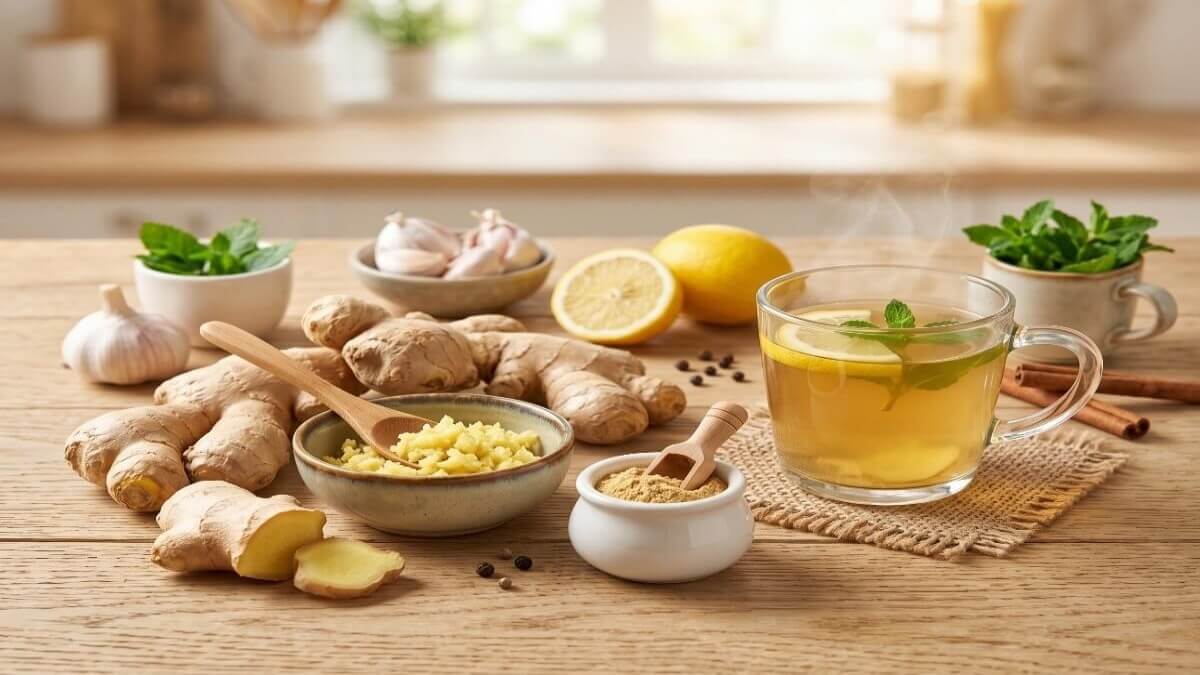
Ginger (Zingiber officinale) is a perennial herbaceous plant from the Zingiberaceae family, known for its rhizome, which is used in cooking, medicine, and cosmetology. Ginger root has a spicy, slightly pungent flavor and rich aroma, making it a popular addition to dishes, drinks, and baked goods.
Ginger grows in tropical and subtropical regions, including India, China, Indonesia, and other South Asian countries, where the humid climate and fertile soil create ideal growing conditions. Ginger requires warm temperatures and consistent light (no direct sunlight).
Ginger is propagated by rhizomes, which are planted in loose, well-drained soil, usually at the beginning of the rainy season. After 10 months, the ginger rhizomes are dug up, cleaned, and used fresh or dried.
Ginger Calories and Nutritional Value
According to the U.S. Department of Agriculture, 100 grams of ginger contains 80 calories. Ginger is considered low in calories, as one serving (11 grams) contains only 8.8 calories.
Health Benefits of Ginger (Supported by Research)
Ginger has numerous benefits because of its high content of active compounds, including gingerol and shogaol. It helps improve digestion by stimulating gastric juice production and accelerating metabolism. Ginger also has anti-inflammatory and analgesic properties, which help relieve pain and reduce inflammation (such as those associated with colds or arthritis). Furthermore, ginger strengthens the immune system, helps fight nausea, improves circulation, and helps lower blood sugar levels.
1. Supports Immune Defense and Eases Cold Symptoms
Ginger helps protect against illnesses, including colds, thanks to its antioxidant, anti-inflammatory, and immunomodulatory properties. It stimulates the immune system, enhancing its ability to fight viruses, bacteria, and fungi, and helps reduce inflammation and relieve cold symptoms, including sore throat and nasal congestion. Thanks to their warming properties, ginger, honey, and lemon, when combined correctly, can help fight colds, speed recovery, improve circulation, and normalize metabolism.
To boost your immune system, you can drink a mixture of ginger, honey, and lemon. To prepare, grate a small piece of fresh ginger, add lemon juice and one to two tablespoons of honey, stir, and drink one teaspoon in the morning or as needed. This mixture also helps boost immunity, has antiviral properties, and supports health during the cold season.
A drink made from turmeric, ginger, and cinnamon has unique properties thanks to the combined effects of these spices. Turmeric reduces inflammation and supports the immune system, ginger improves circulation and thins the blood, and cinnamon helps regulate blood sugar levels and supports metabolism.
2. Promotes Oral and Gum Health
Ginger helps maintain oral health thanks to its antiseptic and anti-inflammatory properties. It helps fight bacteria that can cause cavities and gum inflammation, and also improves blood circulation in the gums. Regular use of ginger can reduce the risk of bad breath.
3. Reduces Exercise-Induced Muscle Soreness
Ginger helps reduce muscle pain thanks to its anti-inflammatory and analgesic properties. Gingerol and shogaol affect inflammatory mediators in the body, blocking their action and reducing inflammation. As a result, ginger helps reduce swelling and pain in affected muscles.
Ginger also stimulates circulation, helping to accelerate tissue repair and improve the supply of oxygen and nutrients to cells. Ginger root can help with pain from physical exertion, strains, or muscle spasms.
4. Helps Regulate Blood Sugar Levels
Ginger can help lower blood sugar levels in both men and women by improving cellular sensitivity to insulin and stimulating more efficient glucose uptake. Ginger can also slow carbohydrate absorption, reducing sharp spikes in blood sugar after meals. For diabetics, ginger can help maintain stable glucose levels, but consult an endocrinologist, as it may interact with sugar-lowering medications.
5. Cellular Antioxidant Protection (Preliminary Research)
Ginger’s active components affect molecules that regulate cell growth and can inhibit cell proliferation and stimulate apoptosis. These substances also reduce inflammation, which can contribute to cancer development, and inhibit metastasis, reducing the likelihood of cancer cell spread. However, ginger does not cure cancer and is not a substitute for surgery or drug therapy.
6. Eases Joint Stiffness and Arthritis Discomfort
Ginger helps relieve arthritis symptoms thanks to its anti-inflammatory properties, reducing joint swelling. A drink made from ginger, honey, lemon, and garlic in the right proportions can help reduce inflammation and improve joint mobility. Ginger helps lower uric acid levels in the body, reducing pain and inflammation, especially during flare-ups.
7. Supports Healthy Cholesterol and Circulation
Ginger can help lower cholesterol by improving fat metabolism and increasing the activity of enzymes that help break down fat. It helps reduce “bad” (LDL) cholesterol and triglycerides while increasing “good” (HDL) cholesterol.
A combination of ginger, lemon, honey, and garlic helps cleanse blood vessels by lowering cholesterol and improving circulation. These ingredients have anti-inflammatory and antioxidant properties that help protect blood vessels from oxidative stress and support healthy lipid metabolism and vascular elasticity.
8. Soothes Nausea and Supports Digestion
Ginger helps with gastrointestinal disorders thanks to its anti-inflammatory and antispasmodic properties. It alleviates nausea, stimulates gastric acid production, and improves digestion, which can help with dyspepsia and bloating. Ginger improves intestinal motility, promoting natural digestion and helping prevent constipation. However, before adding ginger to your diet for acute conditions (pancreatitis, gastritis, ulcers), consult your doctor.
9. Benefits of Ginger for Men’s Vitality
Ginger benefits men by improving blood circulation, supporting erectile function, and stimulating testosterone production to boost libido. Ginger also has antioxidant properties that help reduce stress and improve overall physical endurance. Regular consumption of ginger can help maintain reproductive health and boost energy.
To prepare a potency-boosting remedy with ginger, honey, and walnuts, chop one to two centimeters of fresh ginger, add two to three tablespoons of honey and a small handful of chopped walnuts, and then mix all the ingredients. For potency, take one teaspoon of the ginger mixture in the morning on an empty stomach. This remedy helps improve blood circulation, increase energy levels, and support reproductive health.
10. Benefits of Ginger for Women and Menstrual Relief
Ginger benefits women because of its anti-inflammatory and analgesic properties. It helps with painful menstruation by reducing pain and inflammation in the abdominal area. In one study, over 60% of women reported that ginger significantly reduced pain intensity, making it an effective natural remedy for relieving menstrual symptoms. Gynecologists may also recommend ginger because it helps improve metabolism, strengthen the immune system, and maintain hormonal balance.
11. Supports Metabolism and Weight Management
Ginger can help with weight loss by boosting metabolism and improving digestion. It stimulates thermogenesis—the process by which the body produces heat by burning calories—and helps curb appetite by increasing feelings of fullness. Furthermore, ginger and lemon improve circulation and accelerate toxin elimination, which can support weight loss.
12. Supports Healthy Blood Pressure and Circulation
Ginger can have a mild effect on blood pressure by improving circulation and relaxing blood vessels through its vasodilatory properties. Ginger can be beneficial for high blood pressure (hypertension) by reducing vascular tension and improving blood flow. However, if your blood pressure is significantly low, ginger may be contraindicated.
How is ginger beneficial for men?
Ginger benefits men by improving blood circulation, positively impacting erectile function, and stimulating testosterone production, which boosts libido. Furthermore, ginger has antioxidant properties that help reduce stress levels and improve overall physical endurance. Regular consumption of ginger can help maintain reproductive health and boost energy.
To prepare a potency-boosting remedy with ginger, honey, and walnuts, chop one to two centimeters of fresh ginger, add two to three tablespoons of honey and a small handful of chopped walnuts, and then mix all the ingredients. For potency, take 1 teaspoon of the ginger mixture on an empty stomach in the morning. This remedy helps improve blood circulation, increase energy levels, and support reproductive health.
How is ginger beneficial for women?
Ginger benefits women because of its anti-inflammatory and analgesic properties. It helps with painful menstruation by reducing pain and inflammation in the abdominal area. In one study, over 60% of women reported that ginger significantly reduced pain intensity, making it an effective natural remedy for relieving menstrual symptoms. Gynecologists may also recommend ginger because it helps improve metabolism, strengthen the immune system, and maintain hormonal balance.
Does ginger help you lose weight?
Ginger can help with weight loss because it boosts metabolism and improves digestion. It stimulates thermogenesis—the process by which the body produces heat by burning calories—and helps curb appetite by increasing feelings of fullness. Furthermore, ginger and lemon improve circulation and accelerate toxin elimination, making them beneficial for weight loss.
How does ginger affect blood pressure?
Ginger can have a mild effect on blood pressure, helping improve circulation and relax vascular walls through its vasodilatory properties. Ginger can be beneficial for high blood pressure (hypertension) by reducing vascular tension and improving blood flow. However, if your blood pressure is significantly low, ginger may be contraindicated.
Can pregnant women eat ginger?
The American Academy of Obstetrics and Gynecology confirms that ginger can help during pregnancy by reducing nausea and vomiting, which are common in the first trimester. It can soothe the stomach and help alleviate morning sickness symptoms. However, in large quantities, ginger can stimulate blood flow to the uterus, increasing the likelihood of contractions and raising the risk of miscarriage.
Is ginger safe for gastritis?
During a gastritis flare-up, ginger is not recommended, as it can irritate the gastric mucosa, increase acidity, and contribute to inflammation. This increases the risk of pain, heartburn, and nausea. For chronic gastritis, discuss adding ginger to your diet with a gastroenterologist.
What are the benefits of ginger tea?
Ginger tea is beneficial because of its anti-inflammatory and antioxidant properties. It helps improve digestion, relieve nausea, and boost metabolism. Ginger also supports the immune system, helps with colds, reduces inflammation, and has a warming effect. Regular consumption of ginger tea can improve overall health and reduce the risk of diseases of the internal organs, vascular system, and joints.
Can you drink ginger tea every day?
If there are no contraindications or side effects, you can drink ginger tea daily. Ginger tea helps strengthen the immune system, improve digestion, and boost energy. For variety and added benefits, you can add honey, lemon, cinnamon, or mint. Honey adds sweetness and has a calming effect, lemon provides vitamin C, and cinnamon and mint add a pleasant aroma and help improve metabolism.
Can ginger be harmful?
Ginger in large quantities can be harmful, as its active compounds can irritate the stomach lining and aggravate symptoms of gastritis or ulcers. Excessive ginger consumption is contraindicated for people with diabetes, as the plant can cause a significant drop in blood sugar. Furthermore, large amounts of ginger with honey and lemon can thin the blood, making the drink contraindicated for people with clotting disorders or who are taking anticoagulants.
Ginger is contraindicated in those with an overactive thyroid gland (hyperthyroidism), as its stimulating effect can exacerbate symptoms, including increased heart rate and nervousness. Avoid ginger if it causes an allergic reaction, such as rashes, itching, swelling, or difficulty breathing. If you experience an allergic reaction to ginger, eliminate it from your diet and consult a doctor.
How to use ginger?
You can consume ginger fresh, dried, ground, or pickled, depending on your preference and purpose. Fresh root is often added to teas, infusions, and dishes, including soups and stir-fries, to impart a pungent flavor and aroma. Ground ginger is used as a spice for baked goods, desserts, and marinades. Pickled ginger is a popular sushi garnish. You can also add ginger to smoothies or juices, or consume it with honey and lemon to boost immunity.
How to take ginger for medicinal purposes?
Ginger is not traditionally used medicinally, but doctors may recommend it as a dietary supplement because of its anti-inflammatory, antioxidant, and strengthening properties. Ginger is taken to relieve nausea, improve digestion, and boost immunity, but it is not a substitute for medication, as it does not contain enough active ingredients to treat specific conditions.
Which is better: ginger root or ground ginger?
Fresh ginger root contains more active ingredients and water-soluble compounds that the body absorbs quickly, making it more effective for improving digestion and strengthening the immune system. Ground ginger is more convenient and has a more pronounced aroma, but it loses some active ingredients during drying.
How to peel ginger?
Peeling ginger requires care, as its skin is thin and the flesh is valuable and easily damaged. Use a teaspoon to peel, gently scraping the skin with light strokes. After peeling, you can chop, dry, and grind the ginger root into powder, or grate it (depending on how you use it).
How much ginger can you take per day?
Ginger is safe for daily consumption, but experts recommend limiting it to three to four grams per day. During pregnancy, the recommended dose is reduced to one gram per day. The equivalent of one gram of ginger includes:
- ½ teaspoon ground ginger;
- one teaspoon of grated raw ginger;
- four glasses of water brewed with ½ teaspoon of grated ginger.
Consuming more than six grams of ginger per day can be harmful for both men and women. Excessive ginger consumption can cause gastrointestinal problems, including reflux, heartburn, and diarrhea.
How to store ginger?
Store fresh ginger in a cool, dry place. Refrigerate it, wrapped in paper towels or plastic wrap, to prevent moisture buildup and rotting. You can also freeze fresh ginger, sliced or grated, for later use. Store ground ginger in an airtight container in a dark, dry place, away from light and moisture, to preserve its flavor and beneficial properties.
What can you make from ginger?
Ginger can be used in many healthy and delicious dishes. One popular option is ginger tea, which can help boost immunity and improve digestion. You can add fresh or ground ginger to soups, curries, stews, or meat marinades for a piquant flavor. You can also add ginger to cookies, gingerbread, ice cream, smoothies, or cocktails for a more flavorful finish.